Why SUV MPG Varies

Priya
| 12-08-2026
 · Automobile team
Hi, Readers! SUVs can look so similar at first glance, yet once you start checking real-world fuel use, the gap between two same-size models can feel surprisingly large.
That can be frustrating, especially if you are trying to choose a practical vehicle and the numbers do not seem to line up. The reason is simple in one way and layered in another: SUV fuel consumption is shaped by far more than body size alone.
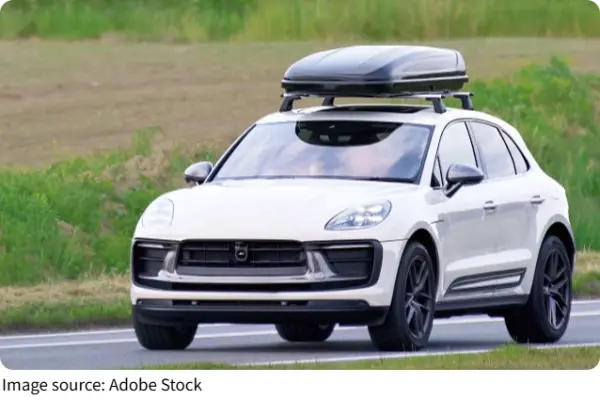
An SUV is typically built with a taller body, higher seating position, and extra utility compared with a standard passenger car. Those traits are useful, but they also make efficiency harder to achieve. A higher vehicle usually creates more air resistance, and a heavier vehicle needs more energy to move. Even before comparing two models in the same class, SUVs already face challenges that smaller, lower vehicles often avoid.
Weight Matters More Than Many Expect
One of the biggest reasons fuel use differs is vehicle mass. Two compact SUVs may sit in the same showroom category, but one can be notably heavier because of its platform, body structure, drivetrain, battery system, larger wheels, or added comfort features. That extra weight affects acceleration, climbing, and stop-and-go driving the most. In city use, a heavier SUV usually burns more fuel because the engine has to work harder every time the vehicle moves from a stop.
The difference can become even more noticeable when a model offers many trim levels. A base version may be relatively efficient, while a top trim with larger tires, panoramic roof, electric seats, and added convenience systems may use more fuel. So when people say two SUVs are "the same level," that does not always mean they carry the same burden on the road.
Engine and Transmission Choices Change Everything
Another major factor is what sits under the hood and how power is delivered. A smaller turbocharged engine may use less fuel in gentle daily driving, while a larger naturally aspirated engine may consume more, especially in city traffic. Hybrid systems can improve efficiency by assisting at low speeds and during repeated starts, where traditional engines are less efficient.
Transmission tuning also plays a huge role. A gearbox with more ratios can help keep the engine in a more efficient range. Final drive ratios matter too. Some SUVs are tuned for quick response, while others are tuned for lower fuel use during steady cruising. Two vehicles with similar horsepower on paper can therefore feel close in performance but deliver very different fuel economy.
Drivetrain and Tire Setup Add Hidden Costs
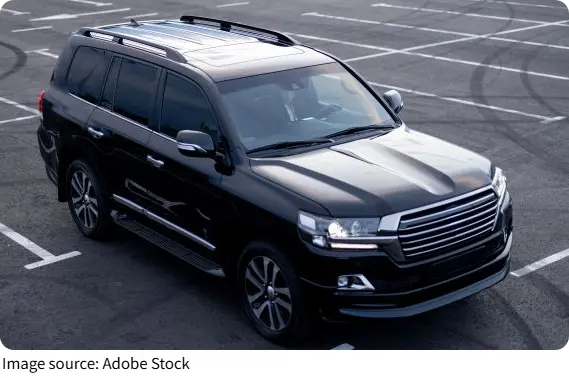
Many people focus on engine size first, but drivetrain layout matters just as much. Front-wheel drive versions often use less fuel than all-wheel drive versions because they have fewer mechanical losses and lower weight. All-wheel drive adds traction and confidence in certain conditions, but it usually comes with a fuel-use penalty.
Tires also quietly affect efficiency. Wider tires often improve grip and appearance, yet they can increase rolling resistance. Large wheels may look appealing, but they can be heavier and less efficient than smaller setups. In real life, these details add up quickly, especially in urban traffic where frequent acceleration makes every extra bit of resistance matter.
Aerodynamics and Tuning Shape Real Results
Even among SUVs of similar size, body design can vary a lot. A more upright front end, roofline shape, underbody treatment, and grille opening design all influence how cleanly air moves around the vehicle. Since SUVs sit higher than many cars, aerodynamic differences can have a strong effect at highway speeds.
Software tuning matters too. Some models are calibrated to deliver smoother, stronger response, while others prioritize economy. Climate system load, energy management, and hybrid control strategy can all shift real-world consumption. This is why brochure numbers and owner experiences are not always perfectly aligned. The same SUV can even show different results depending on route type, temperature, and driving style.
Why Same-Class SUVs Feel So Different
What really explains the big gap is that "same class" is a loose label. It tells you about market position and approximate size, not engineering similarity. One SUV may be built for comfort, another for stronger performance, and another for maximum efficiency. Their dimensions may overlap, but their priorities can be very different.
So if you are comparing SUVs, it helps to look past the category name and check weight, drivetrain, tire size, powertrain type, and trim differences. Those details often explain the fuel numbers better than the badge or size class alone. In the end, the wide fuel-use gap between similar SUVs is not strange at all. It is the result of many small choices in design and engineering, and once you know where to look, the numbers start to make much more sense.