Night Driving Safety

Mukesh Kumar
| 28-09-2026
 · Automobile team
Hi, Readers! Night driving can feel completely different from driving in daylight.
The road looks narrower, signs appear later, and small hazards are harder to notice until they are much closer. That change is not just a feeling.
At night, visibility drops sharply, depth perception becomes less reliable, and glare from oncoming headlights can make it harder to judge distance and direction. For many drivers, especially older people, this means extra caution is essential. The good news is that a few practical habits can improve both what you see and how safely you respond.
Things To Keep In Mind
One of the most useful steps is making sure your vehicle helps you see as clearly as possible. Keep the windshield clean inside and outside, since dirt and streaks can scatter light and intensify glare. Headlights, taillights, and signal lights should also be clean and working properly.
If headlights are aimed too high or too low, they can reduce your own visibility and affect other drivers as well. It also helps to check that dashboard lights are not too bright, because excessive cabin light can reduce your ability to see the road ahead comfortably.
Use headlights the right way
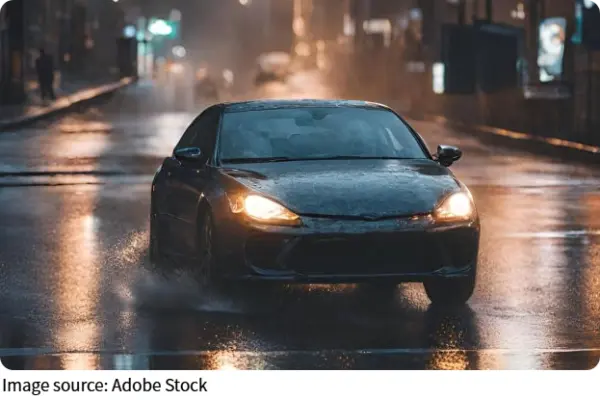
Headlights are your main tool for seeing and being seen at night, but they work best when used thoughtfully. Turn them on from dusk through dawn, and also during rain or any low-light condition.
High beams can improve forward visibility on dark roads, but they should be dimmed when another vehicle is approaching or when you are following closely behind another car.
Looking directly into bright oncoming lights can temporarily reduce your vision, so it is better to shift your gaze slightly to the right edge of your lane while still tracking the road.
Reduce speed and increase space
At night, the distance you can see ahead is shorter, so speed matters even more. Driving more slowly gives you extra time to identify curves, pedestrians, cyclists, animals, or stopped vehicles. It is also wise to increase your following distance. This creates more reaction time if the vehicle ahead brakes suddenly.
Night conditions often hide hazards until the last moment, and a larger safety margin can make a major difference in how calmly and effectively you respond.
Stay alert to fatigue
Driver tiredness is a serious issue after dark. The body naturally becomes less alert during nighttime hours, and long periods on the road can make that worse. If you feel drowsy, do not rely on opening a window or turning up music as a solution. The safer choice is to stop in a safe place and rest. Planning longer trips with breaks can help you stay attentive.
If possible, avoid driving during the hours when you would normally be asleep, because concentration and reaction time may decline even if you do not immediately notice it.
Support your vision before you drive
Good night driving starts before the engine is even on. If you wear glasses, make sure the prescription is current and that lenses are clean. An eye checkup can help detect changes in vision that may be more noticeable after dark.
Many people find that glare becomes more difficult with age, so regular vision care matters. It is also helpful to keep mirrors properly adjusted and to limit distractions inside the car, since nighttime driving demands more visual attention than daytime travel.
Watch carefully for less visible hazards
Some road users are simply harder to detect at night. Pedestrians in dark clothing, cyclists without strong lights, and animals near the roadside may blend into the background. Intersections, rural roads, and poorly lit streets deserve special care. Scan the road steadily rather than focusing on a single point. This wider visual search helps you catch movement earlier and gives you more time to decide what to do.
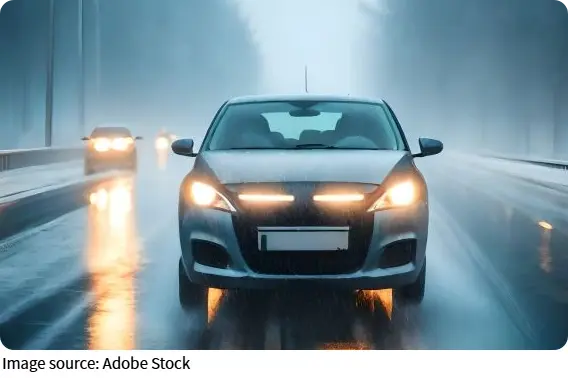
Night driving does not have to feel tense or uncertain. With clean lights and glass, proper headlight use, slower speed, more following distance, and careful attention to fatigue, you can improve both visibility and overall safety. If you drive after dark often, these habits are worth building into every trip. A calmer routine at night can help you see more, react earlier, and arrive with much more confidence.