Rainy Road Control

Sofia Alvarez
| 12-08-2026
 · Automobile team
Hi, Readers! Rain can turn an ordinary drive into a tense, slippery challenge very quickly.
One moment the road seems manageable, and the next the car feels light, slow to respond, or harder to keep in line. That uneasy feeling often comes from reduced tire grip, standing water, or sudden driver inputs that upset the vehicle's balance.
If you want to avoid losing control in rainy weather, the key is not one trick but a set of calm, practical habits that work together every time you head out on a wet day.
Wet pavement reduces the friction between tires and the road surface, which means steering, braking, and acceleration all need more care. A major risk in rain is hydroplaning. This happens when a layer of water builds up between the tires and the road, so the tires cannot maintain normal contact. When that occurs, the car may not respond as expected to steering or braking. Speed plays a major role here. The faster you drive, the harder it is for the tires to clear water from the road surface, so slowing down is one of the most effective ways to stay in control.

Slow down early
On rainy roads, speed should be adjusted before the car reaches deep water, curves, or crowded traffic. Slowing down gives your tires more opportunity to push water away and maintain contact with the pavement. It also gives you more time to react if another driver brakes suddenly or if the road surface changes. Quick acceleration, hard braking, and abrupt steering can all unsettle the car when grip is limited, so smooth inputs matter a lot more in the rain than many drivers realize.
Keep your tires in good condition
Tires are your car's only contact with the road, so their condition has a direct effect on wet-weather safety. Tread depth is especially important because tread channels help move water away from the contact area. If the tread is too worn, the tire is far more likely to ride on top of the water instead of cutting through it. Tire pressure matters too. Properly inflated tires perform better and help maintain stable handling. Checking tread wear and pressure regularly is one of the simplest ways to reduce the chance of losing control in rain.
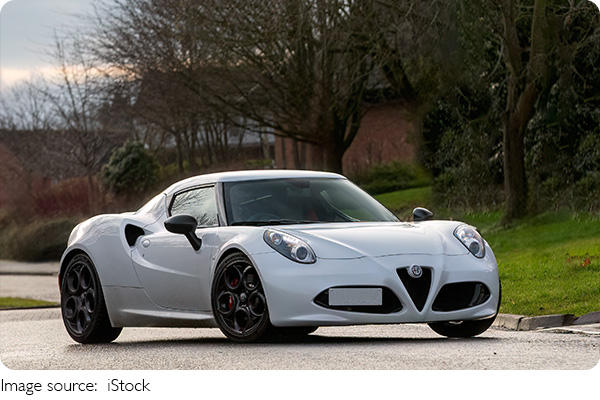
If hydroplaning starts
If the car begins to hydroplane, staying calm is essential. Ease off the accelerator gently and allow the vehicle to slow down naturally. Keep the steering wheel steady and point the car in the direction you need to go, but avoid sudden movements. Hard braking can make the situation worse, especially if the tires have very little grip. As the car slows and the tires reconnect fully with the road, normal steering control should begin to return. The main goal is to avoid panic and give the tires time to regain traction.
Give yourself more space
Rainy weather increases stopping distances, sometimes by more than drivers expect. Leaving extra following distance creates room for gradual braking and smoother responses. This is especially important near intersections, highway exits, and areas where water tends to collect. Roads are often most slippery just after rain begins because water mixes with accumulated residue on the surface. During these moments, even familiar routes can behave differently, so treating every wet road with extra caution is a smart habit.
Watch the road surface
Standing water, puddles, lane grooves, and worn pavement can all increase the risk of losing control. If you can safely avoid visible water, do so. If not, reduce speed before reaching it and keep the car's movements gentle. Using headlights can also help you see lane markings and make your vehicle more visible to others. Small choices like these do not seem dramatic, but together they create a much safer driving pattern in poor weather.
Rain does not automatically make driving dangerous, but it does demand a different approach. Slow down, keep your tires properly maintained, avoid sudden inputs, and stay calm if the car starts to glide on water. These habits can make a big difference when the road turns slick. Next time rain starts falling, give yourself a little more time and a little more space, and your car is much more likely to stay stable all the way home.