Cut Fuel Use

Nolan O'Connor
| 12-08-2026
 · Automobile team
Hi, Readers! Watching the fuel gauge drop too quickly can make any drive feel frustrating, especially when daily trips start adding up.
The good news is that reducing fuel use while driving does not always require a new car or a major lifestyle change. In many cases, a few practical habits behind the wheel and some regular vehicle care can make a noticeable difference.
The key idea is simple: use the car more smoothly, reduce unnecessary load, and keep the vehicle working efficiently.
One of the most effective ways to reduce fuel use is to drive gently. Rapid acceleration and hard braking waste energy because the car has to work harder to gain speed and then loses that energy when slowing down suddenly. Smooth starts, gradual acceleration, and anticipating traffic ahead help maintain a steadier speed. This is especially useful in city traffic, where repeated stopping and starting can quickly increase fuel use. When possible, leaving enough space from the vehicle ahead gives you more time to slow down naturally instead of braking sharply.
Keep Speed Reasonable
Fuel use often rises as speed increases. Many vehicles operate more efficiently at moderate, steady speeds than at very high ones. On highways, using cruise control when traffic and road conditions allow can help maintain a constant pace and avoid unnecessary speed changes. Even small fluctuations in speed can increase fuel consumption over a longer trip. If you tend to drive faster than necessary, easing back a little can improve efficiency and also make the drive feel less stressful.
Reduce Idling and Short Trips
Letting the engine run while parked uses fuel without moving the car. If you are waiting for more than a brief moment, turning the engine off can help save fuel. Another important point is trip planning. Cold engines are less efficient, so several short trips taken separately can use more fuel than one combined trip covering the same distance. Grouping errands into a single outing allows the engine to reach efficient operating conditions and reduces repeated cold starts.
Check Tire Pressure and Maintenance
Vehicle condition has a direct effect on fuel use. Underinflated tires create more rolling resistance, meaning the engine must use more energy to move the car. Checking tire pressure regularly and keeping it at the recommended level can improve efficiency. Routine maintenance also matters. A well-maintained engine, clean filters, and the correct motor oil all support better performance. When service intervals are ignored, the vehicle may gradually consume more fuel without the driver noticing the cause right away.
Lighten the Load
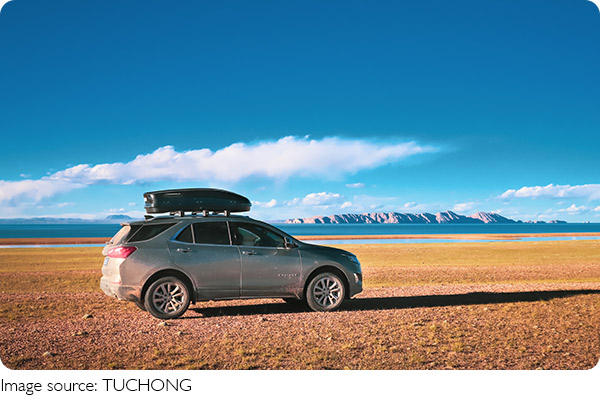
Extra weight makes a vehicle work harder. Items left in the trunk or cargo area that are not needed for the trip can increase fuel use over time. Roof carriers can also reduce efficiency because they add aerodynamic drag, especially at higher speeds. If you only use a roof rack occasionally, removing it when it is not needed can help. Small changes like clearing unnecessary cargo may seem minor, but they can contribute to steady fuel savings.
Use Air Conditioning Wisely
Air conditioning can increase fuel use, particularly in hot weather and during stop-and-go driving. Using it thoughtfully can help balance comfort and efficiency. At lower speeds, opening the windows may be a practical option, while at higher speeds open windows can create drag that reduces efficiency. In that case, using the cooling system moderately may be the better choice. The most efficient option depends on driving conditions, so a flexible approach usually works best.
Choose Trips and Routes Carefully
Traffic congestion, rough routes, and unnecessary detours all increase fuel use. If possible, choose routes with smoother traffic flow and fewer long stops. Navigation tools, local traffic updates, and off-peak travel times can help reduce time spent in congestion. Carpooling and public transportation can also reduce total driving when those options fit your routine. For people shopping for a vehicle, fuel economy ratings are worth considering because long-term savings can be significant.
In the end, lowering fuel use while driving comes down to steady habits and sensible vehicle care. Drive smoothly, avoid unnecessary idling, maintain the car properly, and plan trips with a little more intention. These steps are simple, practical, and realistic for everyday life. If you try even a few of them consistently, you may notice fewer fuel stops and a more efficient driving routine.