Jeep Life Smarts

Arjun
| 11-08-2026
 · Automobile team
A Jeep often attracts drivers because it feels ready for more than the daily commute. Higher ground clearance, flexible cargo space, available four-wheel-drive systems, and an adventurous personality can make ordinary trips feel more interesting.
For Lykkers, the smartest way to enjoy one is not to treat every journey like an expedition, but to understand how its design changes driving, parking, loading, and road manners in practical everyday situations.
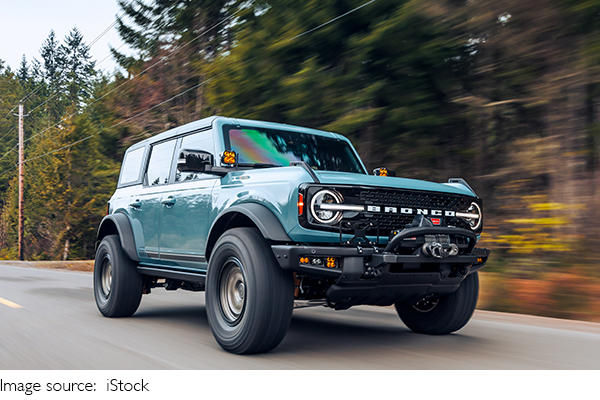
Get Comfortable With Its Character
A Jeep can feel very different from a low family car, especially if you are new to taller vehicles. Once you understand the seating height, steering response, and larger dimensions, daily driving becomes much more natural.
Learn the view from higher up
A taller seating position gives you a useful view of traffic, but it can also make nearby objects harder to judge than expected. Spend time learning where the front corners and rear edges of the vehicle actually sit.
When parking, use mirrors and cameras together rather than relying on one view alone. Practicing in an open area can make narrow spaces much less stressful later.
The goal is simple: know the shape of the vehicle before a concrete pillar introduces itself.
Take corners with smooth inputs
A taller vehicle usually feels different through corners because its center of gravity is higher than that of a sedan. You may notice more body movement when steering quickly.
Enter turns at a sensible speed, steer progressively, and avoid sudden corrections whenever possible. Smooth inputs make the vehicle feel calmer and also keep passengers more comfortable.
You do not need to drive slowly everywhere. You simply need to remember that a Jeep rewards a different rhythm than a low sports-oriented car.
Understand your four-wheel-drive system
Not every Jeep model uses the same drivetrain setup, so learning how yours works matters. Some systems operate automatically, while others provide selectable modes for different conditions.
Read the owner manual and understand when specific settings are intended to be used. If the vehicle includes terrain modes, learn what changes when you select snow, mud, rock, or another setting.
Using the correct mode is more useful than selecting the toughest-looking option simply because the road has become slightly dirty.
Check tire pressure after major temperature changes
Tire pressure can shift as outside temperatures change, and that affects comfort, steering feel, efficiency, and tire wear.
Check pressure when the tires are cold and follow the value recommended for your specific vehicle and load. If you carry extra cargo or prepare for a longer trip, check whether the manufacturer provides different guidance.
A few minutes with a pressure gauge can improve the way the entire vehicle feels.
Make Adventure Practical
The fun of owning a Jeep often comes from knowing that you could leave the usual route when the opportunity appears. Good preparation keeps that freedom enjoyable without filling the vehicle with unnecessary gear.
Load heavy items low
Cargo placement affects how a vehicle behaves, especially when carrying camping equipment, luggage, or outdoor supplies.
Place heavier items as low and as centrally as practical, then secure them so they cannot move during braking or turning. Lighter items can sit above them if needed.
Good packing improves stability and also prevents the unpleasant surprise of hearing everything move at the first sharp corner.
Know the roof-load limit
Roof racks are useful, but the roof is not an unlimited storage platform. Check the permitted load for your model and remember that racks, boxes, and other accessories count toward the total.
Extra weight high on the vehicle can influence handling, while bulky items may increase wind noise and energy use.
If something fits safely inside, that may be the simpler choice. Save roof space for items that genuinely need it.
Use recovery points only as intended
If your Jeep has designated recovery points, learn where they are before you ever need them. Not every visible metal component underneath the vehicle is designed for recovery loads.
Consult the manual and use properly rated equipment suited to the vehicle. If you are unfamiliar with recovery procedures, learning from an experienced professional before heading onto difficult terrain is much safer than improvising once stuck.
Preparation works best when there is no pressure.
Check the underside after rough roads
After driving over rocky, muddy, or deeply uneven routes, take a few minutes to inspect the vehicle once you return to a safe area.
Look for trapped debris, visible damage, loose components, or anything hanging unusually. Check the tires as well, especially the sidewalls.
You are not trying to perform a complete workshop inspection. The purpose is simply to notice obvious changes while the trip is still fresh in your mind.
Plan fuel before remote routes
Longer drives away from cities deserve a little planning because fuel stations may be farther apart than expected.
Check your route, expected distance, and available fuel stops before leaving. Terrain, cargo, weather, and lower-speed off-road driving can all change consumption compared with your usual commute.
A Jeep may look ready for anywhere, but the fuel gauge still believes in mathematics.
A Jeep becomes more enjoyable when adventure is matched with practical habits. Learn its dimensions, understand the drivetrain, load it thoughtfully, respect roof limits, and inspect it after demanding roads. With a little preparation, you can enjoy both daily driving and spontaneous escapes without making either one unnecessarily complicated.