Water on Wheels

Mariana Silva
| 10-08-2026
 · Automobile team
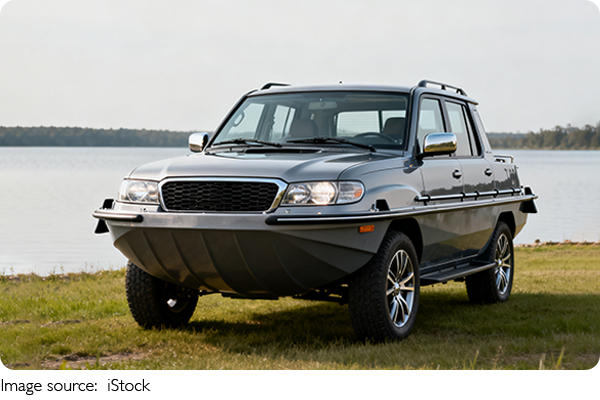
An amphibious car looks like a playful idea, yet driving one requires a very different mindset from using an ordinary vehicle. On land, you think about traffic and traction; on water, buoyancy, current, steering response, and a safe exit point become equally important.
For Lykkers, the fun comes from understanding how carefully the vehicle changes between two operating environments.
Prepare Before Entering Water
A successful water crossing starts before the vehicle reaches the ramp. Because amphibious cars combine road and marine functions, a short inspection can prevent awkward surprises once the wheels are floating.
Know the water mode procedure
Different amphibious vehicles change modes in different ways. Classic models such as the Amphicar rely on their front wheels for steering while afloat, while newer designs may retract their wheels and switch to dedicated water propulsion systems.
Before entering water, learn the exact sequence for your vehicle from its manual. Check which controls engage propulsion, whether any drain plugs or seals require attention, and what indicators confirm that water mode is ready.
Practice the sequence while parked so the real transition feels simpler.
Inspect the entry and exit first
A ramp that looks easy from the driver seat may hide algae, loose gravel, deep edges, or a steep change in angle. Walk the accessible area first and confirm that both entry and exit points are suitable for your vehicle.
The exit deserves special attention because returning to land may require more traction. If the surface looks questionable, choose another location rather than trusting optimism.
Check weather and water movement
Wind and current can push a floating vehicle away from the direction you intended. Before launching, look at local weather, water conditions, and any navigation restrictions that apply.
Calm water makes learning easier because you can understand the vehicle response without constant correction.
A vehicle that looks confident on a ramp may become surprisingly humble once the current starts making suggestions.
Secure everything inside
Loose objects behave differently when a vehicle begins rocking on water. Put phones, cameras, bags, and other items in secure storage before launching.
Passengers should know where to sit and move carefully, because sudden weight shifts can make the vehicle less settled. Keeping the cabin organized also means you can concentrate on steering and surroundings rather than chasing something that has suddenly decided to travel across the floor.
Think Like A Driver And Boater
Once afloat, familiar controls may produce unfamiliar results. The vehicle now responds to water resistance rather than tire grip, so patience and anticipation become far more useful than quick corrections.
Expect steering to feel different
On the classic Amphicar, the front wheels act as rudders while the vehicle is waterborne, so turning the steering wheel still changes direction, although the response differs from road driving.
Begin turns earlier than you would on land and avoid constant steering corrections. Water carries momentum, which means the vehicle may continue moving even after you have changed direction.
Think ahead rather than trying to place the vehicle with centimeter-level accuracy.
Remember that road brakes cannot stop you on water
Once floating, normal road brakes cannot stop forward movement the way they do on pavement, which is an important difference highlighted by Amphicar owner guidance.
Reduce propulsion early when approaching docks, ramps, or other objects, and allow enough distance for the vehicle to slow naturally. Learning this behavior in open water is far better than discovering it near something expensive.
Choose the exit before you need it
Do not wander across the water and only later decide where to return to land. Keep a suitable exit point in mind throughout the trip and watch whether conditions around it change.
Busy ramps, rising waves, or another vehicle can make your original plan less convenient. Having an alternative exit gives you useful flexibility and makes the trip feel much less improvised.
Rinse after suitable water use
After leaving the water, follow the manufacturer maintenance instructions carefully. Water exposure can reach areas that stay dry during ordinary road driving, so cleaning and inspection matter.
If the vehicle has been in salt water, corrosion prevention becomes especially important. Use the recommended rinsing and servicing procedures for your specific model rather than assuming ordinary exterior washing is enough.
Inspect before driving away
Once safely back on land, take a few minutes to check tires, lights, visible seals, and the areas around the propulsion equipment. Confirm that the vehicle has returned fully to its road configuration before joining traffic.
Some modern Gibbs systems retract their wheels in about five seconds, showing how quickly an amphibious vehicle can change operating modes, but the driver still needs to confirm that the transition has completed correctly.
An amphibious car becomes much more enjoyable when you respect both sides of its personality. Inspect the launch area, learn the mode sequence, anticipate different water steering, plan your exit, and perform the proper checks afterward. The fun is not merely driving into water; it is understanding how to return to the road calmly and confidently.