Motorcycle Light Care

Arvind Singh
| 17-07-2026
 · Automobile team
Motorcycle lighting is a critical safety and performance system that allows riders to see the road clearly while making the motorcycle visible to others.
Headlights, brake lights, tail lights, turn signals, and license plate lights all work together to support safe riding in different weather and lighting conditions.
Regular maintenance helps these components perform reliably and reduces the risk of unexpected lighting failures.
Inspect Lights Regularly
Before every ride, check that all lights are working correctly. Turn on the headlight and verify both the low and high beams. Test the brake light by operating both the front and rear brake controls, and ensure the tail light, turn signals, and license plate light illuminate properly. Replacing a faulty bulb or repairing a damaged connection promptly helps maintain safe operation.
Keep Lenses Clean
Dust, mud, insects, and road grime can reduce light output and make the motorcycle less visible. Clean the headlight, tail light, and signal lenses regularly using a soft microfiber cloth and mild soap and water. Avoid abrasive cleaners or rough materials that may scratch the lenses and reduce light transmission.

Check Electrical Connections
Lighting performance depends on a stable electrical system. Inspect wiring, connectors, and bulb sockets for signs of corrosion, moisture, loose connections, or damaged insulation. Secure electrical connections help prevent flickering lights and intermittent operation while improving overall system reliability.
Monitor the Battery
A weak or poorly maintained battery can affect the brightness and performance of the lighting system, especially when the engine is not running. Check the battery terminals for corrosion and ensure they are clean and securely fastened. Maintaining a healthy battery supports consistent electrical performance and reliable lighting.
Replace Damaged Components
Cracked lenses, worn seals, or damaged light housings allow water and dust to enter the lighting assembly, which may reduce performance over time. Replace damaged parts as soon as they are identified to maintain brightness, protect internal components, and preserve proper light distribution.
Choose the Correct Replacement Bulbs
When replacing a bulb, always use one that matches the motorcycle manufacturer's recommended voltage, wattage, and socket type. Using the correct specifications helps maintain the proper beam pattern, brightness, and electrical compatibility while avoiding unnecessary strain on the lighting system.
Adjust Headlight Alignment
A properly aligned headlight improves nighttime visibility without creating unnecessary glare for other road users. After replacing a headlight or performing front-end maintenance, check the beam alignment and adjust it according to the motorcycle's service specifications to help ensure effective road illumination.
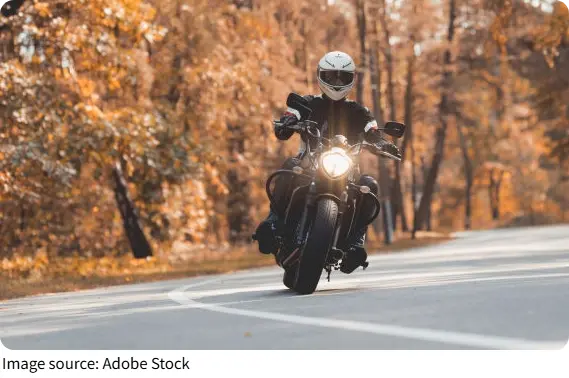
Routine motorcycle light maintenance is a simple but important part of motorcycle care. Regular inspections, clean lenses, secure electrical connections, a healthy battery, and correctly adjusted headlights help ensure reliable lighting performance. Consistent maintenance improves visibility, supports safe riding, and extends the service life of the motorcycle's lighting system.