A Better Suspension

Isla
| 01-07-2026
 · Automobile team
Welcome back, Readers! A smooth, comfortable ride and confident handling are features every driver values, whether commuting through busy streets, exploring rough terrain, or enjoying spirited driving.
Air suspension has become one of the most innovative technologies for improving both comfort and vehicle control.
Once found mainly in luxury models and specialized performance vehicles, it is now available across many different cars. Its ability to automatically adjust ride height and suspension stiffness allows vehicles to adapt to changing road conditions with impressive precision.
Unlike traditional suspension systems that rely on fixed steel coil springs, air suspension uses inflatable air springs controlled by compressors, sensors, and electronic control units. This design allows the suspension to adapt continuously to changing road conditions, vehicle loads, and driving styles. The result is a system capable of delivering both comfort and performance without requiring major mechanical changes.

How Air Suspension Works
At the heart of an air suspension system are flexible air springs, sometimes called air bags or air bellows. These components replace conventional steel springs and support the vehicle using compressed air rather than fixed metal coils.
An electric compressor supplies air to a storage reservoir, while electronically controlled valves regulate the pressure inside each air spring. Ride-height sensors constantly monitor the vehicle's position and communicate with the suspension control module, allowing the system to automatically raise or lower the vehicle whenever necessary.
This continuous adjustment helps maintain a level ride height regardless of passenger numbers or cargo weight. It also allows the suspension to respond quickly to bumps, corners, and braking forces, improving overall vehicle stability.
Why Performance Cars Benefit from Air Suspension
High-performance vehicles demand precise control under rapidly changing driving conditions. Air suspension gives engineers additional flexibility when tuning a sports car for both comfort and speed.
One of its greatest advantages is adjustable ride height. Lowering the vehicle reduces its center of gravity, improving cornering stability and reducing body roll during aggressive driving. A lower stance also decreases aerodynamic lift by allowing air to flow more efficiently around the vehicle.
Many advanced performance systems combine air suspension with adaptive dampers that continuously adjust shock absorber firmness. During spirited driving, the suspension becomes firmer to improve steering precision, while switching to a softer setting provides a smoother ride during everyday commuting. This adaptability allows one vehicle to deliver both track-inspired handling and daily comfort without compromise.
Luxury Sedans Prioritize Comfort Without Losing Control
Luxury manufacturers were among the earliest adopters of air suspension because passenger comfort remains one of their highest priorities.
Instead of transmitting every road imperfection into the cabin, air springs absorb much of the vibration before it reaches passengers. Expansion joints, potholes, and uneven pavement become far less noticeable, creating the quiet, refined driving experience expected from premium automobiles.
Automatic load leveling is another major advantage. Whether carrying several passengers or a fully loaded trunk, the system maintains consistent ride height, preserving suspension geometry and predictable handling. Many luxury vehicles also allow drivers to choose multiple driving modes. Comfort settings emphasize smoothness, while Sport modes reduce body movement and sharpen steering response for more engaging performance.
Off-Road Vehicles Gain Greater Versatility
Air suspension offers significant advantages beyond paved roads. When approaching rocky trails, deep ruts, or uneven terrain, drivers can temporarily raise the vehicle to increase ground clearance. This extra height reduces the likelihood of damaging the underbody while improving approach, departure, and breakover angles.
Once the vehicle returns to the highway, the suspension automatically lowers to improve stability and reduce aerodynamic drag. This versatility allows one vehicle to perform effectively across dramatically different environments.
Modern off-road systems also help keep the vehicle level when traveling over uneven surfaces by independently adjusting suspension height at individual wheels. This improves traction by allowing the tires to maintain better contact with the ground.
Everyday Vehicles Are Beginning to Benefit
Air suspension is no longer limited to expensive flagship models. As technology has become more reliable and manufacturing costs have declined, several mainstream vehicles now offer air suspension on selected trim levels. Automatic ride-height adjustment becomes especially valuable when carrying heavy cargo or towing trailers.
Rather than allowing the rear suspension to sag, the system restores the vehicle to its proper position, improving steering control, braking performance, and headlight alignment. Drivers also appreciate the smoother ride during long-distance travel, particularly on rough highways where conventional suspensions may transmit more vibration into the cabin.
Suspension Management Makes the Difference
Modern air suspension systems rely heavily on sophisticated electronics. Multiple sensors continuously monitor vehicle speed, steering angle, braking input, suspension movement, and body position. Using this information, the control module adjusts air pressure within milliseconds to maintain the desired ride characteristics.
Some systems even lower the vehicle automatically at highway speeds to reduce aerodynamic drag and improve fuel efficiency. Others raise the suspension temporarily when entering steep driveways or crossing rough surfaces. This intelligent management allows the suspension to adapt continuously without requiring driver intervention, making the technology both practical and highly effective.
Are There Any Trade-Offs?
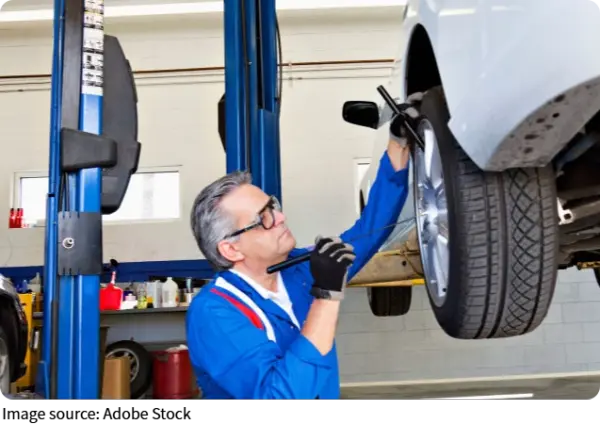
Despite its many advantages, air suspension is not without limitations. The system contains compressors, electronic valves, air lines, sensors, and flexible air springs, making it more mechanically complex than traditional coil-spring suspensions. As vehicles age, components such as airbags or compressors may require replacement, potentially increasing maintenance costs.
However, improvements in engineering, materials, and electronic diagnostics have significantly increased the reliability of modern air suspension systems compared with earlier generations. For many drivers, the improvements in comfort, handling, and versatility outweigh the added complexity.
As air suspension continues to evolve, its presence will only grow across more vehicle classes, bridging the gap between uncompromising luxury and everyday practicality. While the technology adds complexity under the chassis, the rewards—effortless highway cruising, composed cornering, and go-anywhere capability—are undeniable for those who value driving quality.
For today's discerning motorist, air suspension represents not just an engineering achievement, but a genuine enhancement to the way we experience the road, regardless of where that road may lead.