Premium Gas Benefits

Arjun Mehta
| 01-07-2026
 · Automobile team
Hello, Friends! Filling up a luxury car may seem like a simple task, but the type of fuel selected can have a lasting effect on performance and efficiency.
Many owners wonder whether premium gasoline is truly necessary or simply an added expense.
The answer depends on how the engine was designed and the fuel it was built to use. Understanding the difference can help protect long-term performance and driving enjoyment.
Luxury vehicles are designed with advanced powertrains that prioritize smooth performance, strong acceleration, and long-term durability. To achieve those goals, many manufacturers recommend or require premium gasoline. Understanding why helps drivers protect both their investment and the driving experience that makes luxury cars unique.
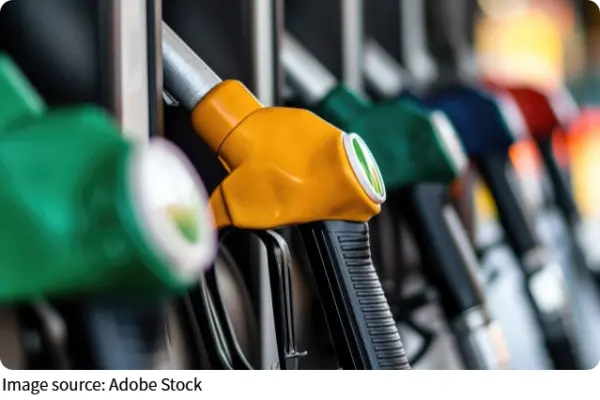
What Makes Premium Gas Different?
The biggest difference between regular and premium gasoline is the octane rating. Octane measures a fuel's resistance to premature combustion, commonly known as engine knock or detonation. Instead of igniting at the correct moment when the spark plug fires, low-octane fuel may ignite too early under high pressure, creating uncontrolled combustion inside the cylinder.
In most markets, gasoline is generally available in three common grades:
- Regular: approximately 87 octane
- Mid-grade: approximately 89–90 octane
- Premium: 91 octane or higher
Higher-octane fuel does not contain more energy than regular gasoline. Instead, it remains stable under greater pressure, allowing high-performance engines to operate exactly as their engineers intended.
Why Luxury Engines Often Require Higher Octane
Modern luxury vehicles frequently use high-compression engines or turbochargers to produce impressive power while maintaining good fuel efficiency. Higher compression ratios squeeze the air-fuel mixture more tightly before ignition, extracting more energy from every combustion cycle. Turbochargers increase air pressure entering the engine, producing similar benefits.
These technologies improve performance but also increase the likelihood of engine knock if lower-octane gasoline is used. Premium fuel prevents uncontrolled combustion, allowing the engine to generate maximum horsepower while operating smoothly. This is why many luxury brands recommend premium fuel as part of the vehicle's normal operating requirements rather than as an optional upgrade.
What Happens If You Use Regular Gas?
Most modern luxury vehicles are equipped with sophisticated engine control systems capable of detecting knock through electronic sensors. If lower-octane gasoline is used, the engine computer usually adjusts ignition timing to protect internal components. While this safety feature helps prevent immediate damage, it also changes how the engine performs.
Drivers may notice slower acceleration, reduced throttle response, and lower overall power. Fuel economy can also decline because combustion is no longer occurring under ideal conditions. Repeated use of gasoline below the manufacturer's recommended octane may increase mechanical stress over time, particularly in engines that regularly operate under heavy loads or high temperatures.
Although occasional emergency use of regular gasoline is unlikely to cause permanent harm in many modern vehicles, relying on it continuously defeats the engineering advantages built into the powertrain.
Premium Fuel Supports Long-Term Reliability
Luxury vehicles contain precisely engineered engines with tight manufacturing tolerances and advanced technologies. Using the recommended fuel allows combustion to occur efficiently, reducing unnecessary stress on pistons, valves, cylinder walls, and turbocharger components. Stable combustion also helps maintain consistent engine temperatures during demanding driving conditions.
Over many years of ownership, proper fueling contributes to smoother operation and may reduce the likelihood of expensive repairs associated with prolonged engine knock or abnormal combustion. Routine maintenance remains essential, but using the correct gasoline is one of the simplest ways to help preserve engine health.
Better Performance Is More Than Extra Horsepower
Many people associate premium gasoline only with faster acceleration, but its benefits extend beyond peak power figures. Luxury cars are designed to deliver refined performance under a wide variety of driving conditions. Smooth acceleration, quiet engine operation, predictable throttle response, and effortless highway cruising all depend on efficient combustion.
Premium fuel allows the engine management system to use its intended ignition timing and boost pressure, helping the vehicle maintain consistent performance whether merging onto a freeway, climbing steep grades, or overtaking slower traffic. The result is a driving experience that feels more responsive and refined rather than simply faster.
Is Premium Gas Worth the Additional Cost?
Premium gasoline costs more per gallon, leading some drivers to question whether the added expense is justified. For vehicles specifically engineered for premium fuel, the additional cost often represents a relatively small portion of overall ownership expenses.
Compared with maintenance, insurance, tires, or unexpected engine repairs, paying slightly more for the correct fuel can be a sensible investment. Drivers also benefit from maintaining the vehicle according to manufacturer recommendations, which may help preserve resale value by supporting long-term engine reliability and performance.
The true value of premium gasoline lies not in the fuel itself but in allowing the vehicle to perform exactly as it was designed.
What If Premium Fuel Is Unavailable?
There may occasionally be situations where premium gasoline cannot be found, particularly during long-distance travel in remote areas. In many modern luxury vehicles, using regular gasoline for a single tank is generally manageable because the engine management system automatically adjusts operating parameters to reduce the risk of knock.
However, drivers should refill with the recommended octane as soon as practical. Regular use of lower-octane gasoline should not become routine unless the owner's manual specifically states that both fuel grades are acceptable. Following the manufacturer's fuel recommendations remains the most reliable way to ensure consistent performance and long-term durability.
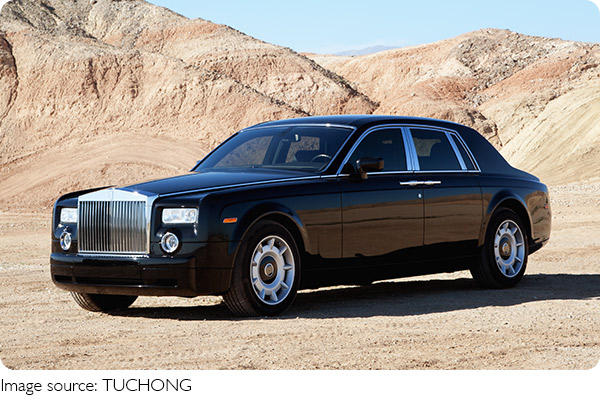
Premium gasoline is not simply a premium-priced option—it is an important part of how many luxury engines achieve their balance of power, refinement, and reliability. High-octane fuel helps prevent engine knock, supports efficient combustion, preserves performance, and reduces unnecessary mechanical stress over the life of the vehicle.