Shared Cars and Bikes

Caleb Ryan
| 02-07-2026
 · Automobile team
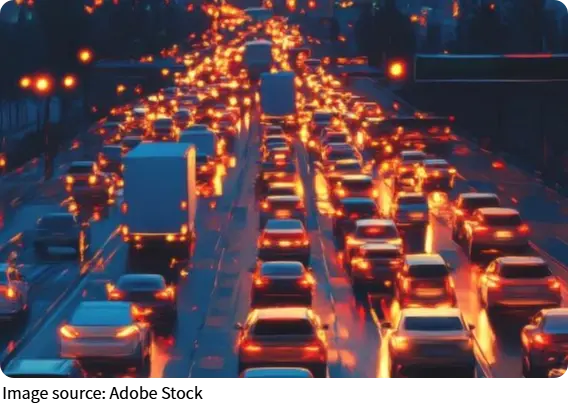
You've probably seen a sea of cars stuck in gridlocked traffic, while empty shared vehicles sit idly on the curb.
The idea behind shared transportation—whether cars, bikes, or scooters—is to offer a more sustainable and efficient alternative to personal vehicles. But how can we ensure that car and motorcycle-sharing systems truly help improve traffic flow and not just add to congestion?
In this article, we'll explore how shared vehicles can optimize city traffic and the strategies that make these systems work. Let's dive into the world of urban mobility and see how shared transportation is shaping the future of city life.
The Basics of Shared Transportation
Shared vehicles, including cars and motorcycles, allow multiple users to access and use the same vehicle, which helps reduce the number of personal cars on the road. These services work on a pay-per-use model, and users can reserve and unlock vehicles via a smartphone app.
1. Car-sharing
Platforms like Zipcar and car2go allow users to rent a car for as little as an hour or as long as a day. This flexibility makes them attractive to city dwellers who don't need to own a car full-time but want access to one when necessary.
2. Bike and Motorcycle-sharing
Bike-sharing programs, like Citi Bike in New York or Lime scooters, have become a staple in many cities. These systems let users pick up a bike or scooter at one location and drop it off at another, covering short distances quickly and efficiently. Similarly, shared motorcycles are popping up in cities where traffic congestion is particularly severe.
By reducing the need for private ownership, these systems can lead to fewer cars on the road, potentially easing congestion. However, ensuring that the vehicles are actually being used in a way that optimizes traffic flow remains a key challenge.
Improving Traffic Flow with Strategic Distribution
Simply having shared vehicles available isn't enough. The key to optimizing traffic flow is ensuring these vehicles are strategically distributed across the city to meet demand when and where it's needed most.
1. Dynamic Rebalancing
In cities where shared vehicles are most popular, managing their availability is crucial. A common approach is “dynamic rebalancing,” a system where vehicles are moved from areas of low demand to areas with high demand. For instance, if a neighborhood is saturated with scooters but another area has a shortage, operators will send vehicles to where they're needed. This helps ensure that users can easily find a vehicle, preventing frustration and wasted time searching.
2. Real-Time Traffic Data Integration
Some companies are beginning to use real-time traffic data to optimize vehicle availability. By monitoring traffic patterns and understanding areas with the most congestion, they can direct users to shared vehicles in less crowded locations. For example, if a busy intersection is blocked, the system may suggest a nearby shared bike or scooter instead of offering a car rental.
Reducing Vehicle Ownership and Congestion
One of the long-term benefits of shared vehicles is that they can reduce overall car ownership. As more people rely on shared cars and motorcycles, fewer people may choose to own a personal vehicle. This can lead to fewer cars on the road, less need for parking, and ultimately a decrease in urban traffic congestion.
1. Car-Free Lifestyles
In cities like Amsterdam and Copenhagen, where biking is the primary mode of transport, shared bike and car programs are integral to urban life. In these cities, fewer people own cars because they can easily access shared vehicles when needed. This helps reduce congestion by eliminating the need for every individual to drive their own car.
2. The Impact of Fewer Cars
A study in San Francisco found that each shared car removed up to 13 personal cars from the road. This type of data helps urban planners understand that, with the right systems in place, the reduction of private car ownership can significantly ease city congestion.
Challenges: Misuse and Overcrowding
While the benefits of shared transportation are clear, there are still challenges to overcome. One significant problem is the improper use of shared vehicles, which can lead to overcrowding in certain areas, further complicating traffic.
1. Unbalanced Availability
Even with dynamic rebalancing, shared vehicles can sometimes become concentrated in the wrong areas. This often happens when users are too lazy to return vehicles to designated drop-off locations, leaving cars or motorcycles in high-demand zones, thus contributing to crowding and wasted resources.
2. Maintenance and Vandalism
Shared vehicles are also subject to wear and tear. Motorcycles and scooters, in particular, are often left in poor condition or vandalized, making them unavailable when needed most. Regular maintenance, proper usage education, and better design can help mitigate these issues, but it requires ongoing effort from operators.
Optimizing Vehicle Sharing for Future Cities
To ensure that shared cars and motorcycles effectively reduce congestion, cities and operators must work together on technological and logistical improvements through a range of coordinated strategies.
1. Integration with Public Transport
Shared vehicles should be integrated with other forms of public transportation, like buses and trains, to create a seamless travel experience. This could mean offering discounts or rewards for users who combine shared vehicles with other transit options, ensuring that shared mobility doesn't just work in isolation but as part of a larger, holistic transport system.
2. Sustainable and Smart Design
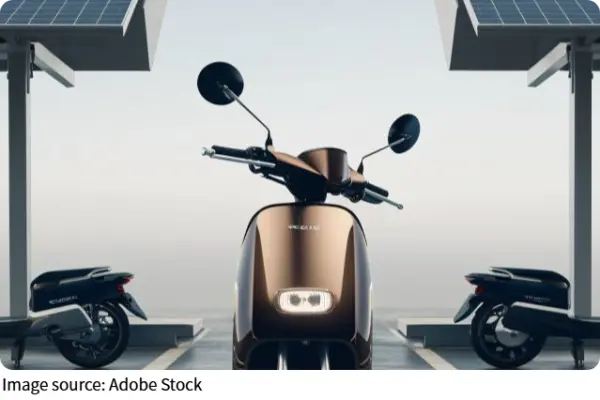
Looking ahead, shared transportation systems should prioritize sustainability. This can include electric vehicles, bikes, and motorcycles, all of which contribute to reducing the carbon footprint of urban transportation. Additionally, integrating AI and smart technology into these systems will allow for even more efficient vehicle distribution, real-time data tracking, and overall improvement in user experience.
Shared vehicles offer a solution to urban congestion, but only if they are managed effectively. By optimizing vehicle distribution, integrating with public transport, and prioritizing sustainability, shared cars and motorcycles can truly revolutionize city traffic. As cities continue to grow, embracing these technologies and refining these systems will be crucial in creating efficient, sustainable, and less congested urban spaces.
The future of transportation is here, and it's shared. As these systems become more widespread and fine-tuned, we'll see even more changes to the way we move through our cities—hopefully, making those long traffic jams a thing of the past.