Which Green Car Wins?

Priya
| 02-07-2026
 · Automobile team
Hi, Friends! If you have been following the world of clean transportation, you already know that two major technologies are competing for the top spot: battery electric vehicles (EVs) and hydrogen fuel cell vehicles (FCEVs).
Both promise zero tailpipe emissions, but they work in completely different ways and come with their own sets of strengths and limitations.
How Each Technology Works
Electric vehicles run on large battery packs that store energy and power an electric motor. You charge them by plugging them into a charging station or a home outlet, much like your phone. Hydrogen vehicles, on the other hand, use a fuel cell that converts hydrogen gas into electricity through a chemical reaction with oxygen.
The only byproduct is water vapor. Both are clean at the point of use, but the production and infrastructure behind each tell a more complicated story.
Refueling and Charging: A Big Practical Difference
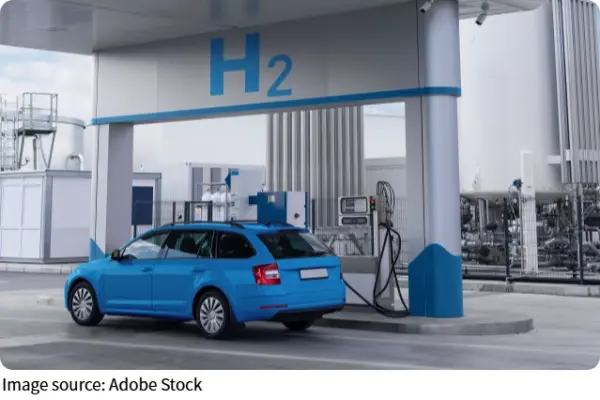
One of the clearest differences between the two comes down to how you refuel. Hydrogen vehicles refuel in about three to five minutes at a dedicated station, which feels much closer to the traditional experience of filling up a tank. Electric vehicles, however, require longer charging times.
Even fast chargers can take 20 to 45 minutes to reach 80 percent capacity, and home charging overnight is the more common routine for most EV owners. That said, EV charging infrastructure is far more widespread. Public charging points are found in cities, on highways, in shopping centers, and in residential areas across many countries. Hydrogen fueling stations, by contrast, are still limited in number and mostly concentrated in specific regions.
Energy Efficiency: Where EVs Pull Ahead
When it comes to energy efficiency, battery electric vehicles have a significant advantage. The process of charging a battery and discharging it to power a motor retains roughly 70 to 80 percent of the original energy. The hydrogen pathway is less efficient overall because it involves converting electricity to hydrogen through electrolysis, compressing and transporting the hydrogen, and then converting it back to electricity in the vehicle.
This multi-step process results in energy losses at each stage, bringing effective efficiency down to around 25 to 35 percent. From a pure energy economics standpoint, EVs are currently more efficient.
Range and Performance in Real Conditions
Hydrogen vehicles tend to offer longer driving ranges, with many models capable of traveling over 300 to 400 miles on a full tank. This makes them particularly appealing for long-distance travel or heavy-duty applications like trucks, buses, and trains.
Electric vehicles have improved dramatically in range, with premium models now exceeding 300 miles per charge, but range anxiety remains a concern for some drivers, especially in areas with sparse charging networks. For everyday city driving and regular commuting, most EVs perform comfortably within their range limits.
Cost Considerations
Cost is a major factor in adoption. Electric vehicles have seen significant price reductions over the past several years due to falling battery costs, and they are increasingly competitive with conventional vehicles. Hydrogen vehicles remain more expensive to manufacture, partly because fuel cell technology is still developing at scale.
Additionally, hydrogen fuel itself tends to cost more per mile than electricity in most markets. For consumers watching their budgets, EVs currently offer a more accessible entry point.
Which Is Better for the Environment?
Both technologies depend heavily on how their energy source is produced. EVs are only as clean as the electricity grid they draw from. In regions powered largely by renewable energy, EVs produce minimal lifecycle emissions. Hydrogen is similarly dependent on production methods. Most hydrogen today is produced from natural gas, which involves carbon emissions.
Green hydrogen, produced via renewable-powered electrolysis, is the environmentally ideal option but remains expensive and limited in supply.
Which Will Dominate?
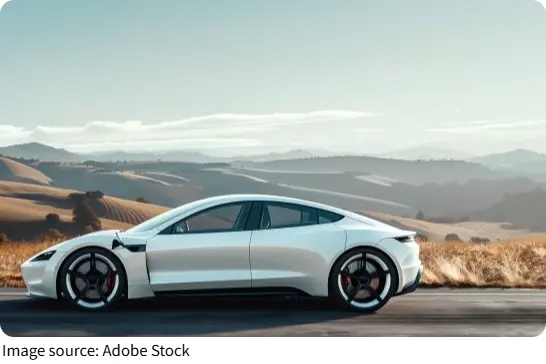
The honest answer is that both technologies will likely coexist rather than one completely replacing the other. Electric vehicles are currently leading in consumer adoption due to better infrastructure, lower costs, and higher energy efficiency. Hydrogen shows stronger promise in commercial transport, heavy vehicles, and industries where long range and fast refueling matter most.
The race is not really about which technology wins outright. It is about matching the right tool to the right application. Both will play important roles in building a cleaner transportation future, and the smartest approach is understanding where each truly shines. Keep following the developments, Lykkers, because this space is evolving faster than ever!