7 Amazing Tooth Facts

Pankaj Singh
| 30-06-2026
 · News team
Lykkers, a smile may seem simple, but every tooth holds fascinating secrets that often go unnoticed.
Far beyond helping with chewing, teeth reveal valuable information about human biology, daily habits, and long-term health. Modern dental research continues to uncover surprising facts that explain why these remarkable structures deserve careful attention.
From their extraordinary strength to their unique protective layers, every detail contributes to lasting function and appearance. Here are seven tooth facts that may completely change the way you view this essential part of the human body.
1. Tooth Enamel Is the Hardest Material in the Human Body
The outer surface of every tooth is covered by enamel, an exceptionally durable mineralized layer designed to withstand years of pressure from biting and chewing. Enamel contains a remarkably high concentration of hydroxyapatite crystals, giving it outstanding hardness compared with any other tissue in the human body.
Despite its impressive strength, enamel is not indestructible. Frequent exposure to acidic foods, sugary beverages, or poor dental hygiene gradually weakens this protective barrier. Unlike many other body tissues, enamel cannot regenerate naturally once it has been lost. Preserving this outer shield through proper daily care remains one of the most effective ways to maintain healthy teeth for decades.
2. Every Set of Teeth Is Completely Unique
Fingerprints are widely recognized for their uniqueness, yet teeth possess distinctive characteristics as well. The arrangement, size, spacing, contour, and tiny surface features differ from one individual to another. Even identical twins, who share the same genetic background, often display subtle differences in tooth alignment and wear patterns.
This uniqueness explains why dental records have long been considered highly reliable for personal identification. Small variations that appear insignificant during everyday life become valuable distinguishing features when carefully examined by specialists.
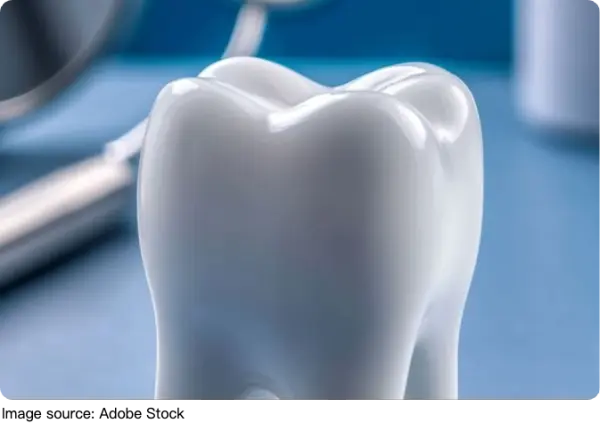
"Teeth are essential for chewing, speaking, and maintaining jaw structure." — Enable Dental.
3. Saliva Plays a Constant Protective Role
Many people associate saliva only with digestion, but its contribution to healthy teeth and gums is far greater. Saliva continuously rinses the mouth, helping remove food particles while diluting acids produced by bacteria. In addition, saliva supplies minerals such as calcium and phosphate that support the early repair of microscopic enamel damage through a natural process called remineralization.
Protective proteins and enzymes found in saliva also help maintain a balanced environment that discourages excessive bacterial growth. Reduced saliva production can significantly increase the likelihood of cavities because the mouth loses one of its most effective natural defense systems.
4. Tiny Cracks Are Surprisingly Common
A perfectly smooth tooth may still contain microscopic cracks that remain invisible during routine observation. These tiny lines often develop after years of normal chewing, temperature changes caused by hot and cold foods, or repeated pressure from grinding. Most microscopic cracks never cause discomfort and remain stable for many years. However, repeated excessive force can gradually enlarge them, making regular dental examinations important for identifying potential problems before they become more serious.
5. Cavities Begin Long Before They Become Visible
Many people imagine cavities as obvious dark holes, but the earliest stages are much more subtle. Tooth decay begins when bacteria feed on sugars left in the mouth and produce acids that gradually dissolve minerals from enamel. Initially, this process creates faint white spots that indicate mineral loss rather than permanent damage. At this stage, improved daily brushing and flossing, fluoride exposure, and dietary adjustments may slow or even reverse early deterioration before a visible cavity forms.
6. Teeth Can Reveal Daily Habits
Dental professionals often recognize patterns that reflect everyday behaviors simply by examining tooth surfaces. Certain wear marks may indicate nighttime grinding, while smooth areas can suggest frequent exposure to acidic beverages. Small chips sometimes reveal habitual nail biting or chewing on hard objects.
These visible clues provide valuable insight into long-term habits that may otherwise go unnoticed. Addressing the underlying causes often helps preserve tooth structure while preventing unnecessary damage from becoming progressively worse. Careful observation allows preventive strategies to be introduced before extensive treatment becomes necessary.
7. Fluoride Strengthens Enamel Through Science
Fluoride remains one of the most extensively studied substances in preventive dentistry. Rather than merely coating teeth, fluoride becomes incorporated into the enamel surface, producing a mineral structure that is more resistant to acid attacks. This strengthened surface slows mineral loss while encouraging remineralization during the earliest stages of enamel weakening.
Community water fluoridation, fluoride toothpaste, and professionally applied fluoride treatments have contributed significantly to reducing cavity rates over several decades. Scientific evidence consistently supports fluoride as one of the safest and most effective preventive measures when used appropriately.
Teeth are remarkable examples of natural engineering, combining exceptional strength, intricate structure, and lifelong functionality. Understanding how enamel protects teeth, how saliva supports healthy teeth and gums, and how daily habits influence dental well-being highlights the importance of consistent preventive care. Practicing good dental hygiene, maintaining a balanced diet, and scheduling regular dental examinations can help preserve healthy teeth for years to come, supporting long-term dental health and a confident, healthy smile.