Zero-Emission Future

Julian
| 17-07-2026
 · Automobile team
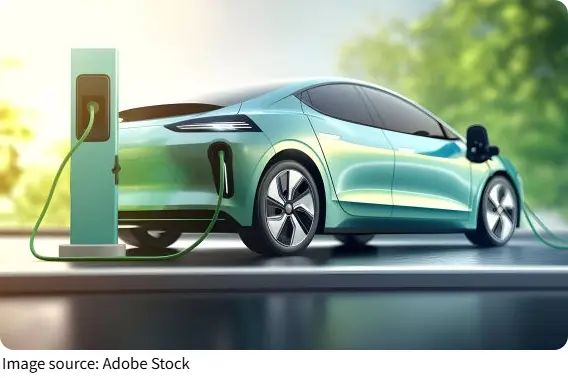
You plug in your car at a quiet charging station, watching the battery percentage rise.
A few streets over, a sleek hydrogen vehicle silently glides past, emitting nothing but water vapor.
These moments hint at a bigger shift—technology is reshaping how we move, aiming for a fully zero-emission future. From batteries to fuel cells, innovation is at the heart of the transition, but understanding how these systems work and complement each other helps us see the road ahead.
Electrification: The First Step Toward Zero Emissions
Battery electric vehicles (EVs) are leading the charge in the zero-emission revolution. By replacing internal combustion engines with electric motors, EVs eliminate tailpipe pollution while offering smooth acceleration and quieter rides. Advances in battery chemistry, energy density, and thermal management have steadily improved range and reduced charging times.
A modern EV can travel 350 miles on a single charge, while fast-charging networks restore 80% of battery capacity in under 30 minutes. This combination makes EVs practical for daily commutes and longer trips alike. Plan long journeys around fast-charging stations. Mapping routes in advance not only reduces stress but also ensures you maintain a consistent driving experience without unexpected delays.
Hydrogen Fuel Cells: Expanding the Possibilities
Hydrogen fuel cells offer another path to zero emissions. They generate electricity by combining hydrogen with oxygen, producing only water vapor. Fuel cell vehicles (FCVs) can be refilled in minutes and often achieve longer ranges than many battery EVs, making them suitable for heavier vehicles or long-distance travel.
Public transportation fleets in some cities already use hydrogen buses that operate all day without recharging. Passenger vehicles benefit similarly from fast refueling and extended driving ranges. Check hydrogen refueling station availability before adopting an FCV. Knowing where and when you can refuel ensures reliable trips, particularly in areas where infrastructure is still developing.
Integrating Technologies for Maximum Impact
Electrification and hydrogen are not competing paths—they can complement each other. Batteries excel in city driving and short commutes, while hydrogen can handle longer distances and heavier loads. Together, they provide a flexible framework for reducing emissions across diverse transportation needs.
Some automakers are exploring hybrid systems that combine batteries and fuel cells, allowing a vehicle to switch seamlessly between electric power and hydrogen energy depending on driving conditions. Consider your driving patterns when evaluating zero-emission vehicles.
Urban commuters may benefit most from full battery EVs, while drivers covering long highways or transporting heavy loads might find hydrogen or hybrid systems more practical.
Infrastructure Challenges and Innovation
Technology alone isn't enough. Widespread adoption depends on robust infrastructure. EV charging networks must expand, and hydrogen refueling stations need strategic placement. Engineers and policymakers are exploring smart grids, renewable energy integration, and standardized refueling protocols to support growth.
Cities that integrate EV chargers into high-traffic corridors and hydrogen stations near logistics hubs create reliable networks that encourage adoption while minimizing “range anxiety.” Use apps and vehicle navigation systems to plan trips around available chargers and refueling points. Staying informed reduces stress and maximizes efficiency during longer drives.
Sustainability and the Lifecycle of Zero-Emission Vehicles
Zero-emission technology also relies on sustainable production and end-of-life management. Recycling batteries and fuel cell components, recovering metals, and minimizing energy-intensive manufacturing processes are crucial to reducing the overall environmental footprint.
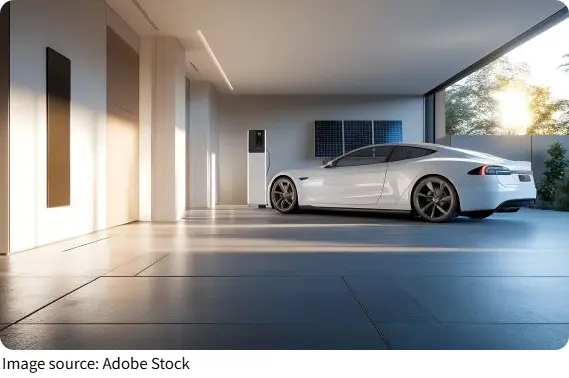
Some manufacturers have programs to reclaim used EV batteries, repurposing them for home energy storage or extracting lithium and cobalt for new vehicles. This approach lowers waste and supports a circular economy.
When choosing a zero-emission vehicle, review manufacturer initiatives for battery and component recycling. Vehicles designed with lifecycle sustainability in mind contribute to cleaner transportation beyond daily driving.
From electrification to hydrogen, zero-emission technology is transforming how we move. Every battery charged, every fuel cell refueled, and every supporting infrastructure project brings us closer to cleaner air and quieter streets. Embracing these innovations—while planning for practicality and sustainability—turns a vision of a green future into a driving reality. The journey may be gradual, but every mile counts toward a world where movement no longer costs the planet.