Motorcycle Design Science

Bianca
| 15-07-2026
 · Automobile team
Motorcycles are the result of complex engineering that combines mechanical design, electronics, materials science, and safety technology.
Every component, from the engine and suspension to the braking system and frame, is carefully developed to improve performance, stability, and rider control.
Modern motorcycles continue to evolve as engineers introduce new solutions that make riding more efficient, precise, and enjoyable. Understanding the technology behind these machines reveals how engineering shapes the modern riding experience.
Advanced Engine Design and Performance
The engine is the core of a motorcycle’s performance, and modern engineering focuses on creating systems that deliver power while maintaining efficiency and durability. Engineers carefully develop combustion processes, cooling systems, and internal components to achieve smoother power delivery, improved reliability, and consistent performance.
Modern engines use advanced fuel management systems to control the amount of fuel and air entering the combustion chamber. This precise control helps improve throttle response, optimize fuel efficiency, and maintain stable performance in different riding conditions.
Frame Design and Lightweight Materials
A motorcycle’s frame plays an important role in handling, stability, and overall performance. Engineers must create a structure that is strong enough to support the motorcycle while remaining lightweight to improve agility and balance.
Advanced materials and manufacturing techniques allow designers to reduce unnecessary weight while maintaining structural strength. A well-designed frame helps improve cornering ability, stability, and rider confidence, especially during changes in speed and direction.
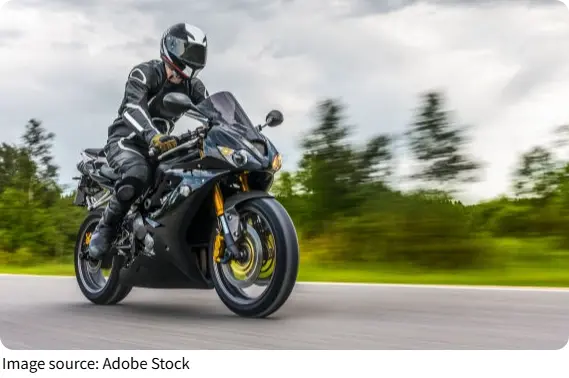
Suspension Systems and Ride Control
The suspension system is responsible for maintaining contact between the tires and the road while absorbing impacts from uneven surfaces. Engineers carefully tune suspension components to create a balance between comfort, stability, and performance.
Modern suspension designs often include adjustable settings that allow riders to modify the motorcycle’s response based on different riding conditions. These systems help improve handling by controlling movement during acceleration, braking, and cornering.
Advanced Braking Technology
Braking systems are essential for motorcycle safety and require precise engineering to provide reliable stopping power. Modern motorcycles use advanced brake designs that improve control and help maintain stability during different riding situations.
Electronic assistance systems can monitor wheel movement and help manage braking force. These technologies allow riders to maintain better control while reducing the chances of wheel lock during sudden braking.
Electronic Control Systems
Electronics have become a major part of modern motorcycle engineering. Sensors and control units collect information about speed, wheel movement, and riding conditions to improve performance, stability, and safety.
Technologies such as traction management and intelligent riding modes help adjust motorcycle behavior based on different situations. These systems provide smoother acceleration, improved stability, and greater control by helping the motorcycle respond more effectively to changing conditions.
Aerodynamics and Motorcycle Design
Aerodynamics influences how a motorcycle moves through the air. Engineers study airflow around the motorcycle to reduce resistance, improve stability, and enhance overall efficiency.
Design elements such as body shapes and wind protection systems are developed through testing and simulation. Improved aerodynamic performance helps motorcycles remain more stable at higher speeds while increasing rider comfort during longer journeys.
The Future of Motorcycle Engineering
Motorcycle engineering continues to advance through improvements in materials, electronics, and mechanical systems. Future developments may focus on smarter control systems, improved efficiency, and technologies that provide even greater levels of safety and performance.
As engineering continues to progress, motorcycles will become more refined machines that combine power, precision, and intelligent design. Behind every modern motorcycle is a combination of innovation and technical expertise that transforms engineering concepts into real-world riding experiences.
Engineering Shapes the Riding Experience
Modern motorcycles are more than simple machines; they are carefully engineered systems where every component works together to improve performance, control, and safety. From engine technology to electronic assistance, engineering innovation continues to redefine what motorcycles can achieve. The future of motorcycle design will continue to combine advanced technology with thoughtful engineering to create better riding experiences.