Motorcycle Protection Basics

Sofia Alvarez
| 01-07-2026
 · Automobile team
Hi, Readers! Getting ready for your first ride is exciting, and it can also feel like a lot when you start looking at all the gear out there.
The good news is that the basics are pretty clear. Before heading out, every new rider should focus on protective gear that covers the head, hands, upper body, lower body, and feet.
The goal is not just comfort. It is also about reducing risk, improving visibility, and helping you stay focused once you are on the road.
A helmet is the first piece to sort out, and it should fit snugly without causing pressure points. A full-face design gives the most complete coverage, protecting the top, sides, and chin area while also helping with wind and weather. Look for a helmet with a recognized safety certification and a visor that gives a wide, clear view. If possible, try several shapes and sizes, because the right fit matters just as much as the brand name on the box.
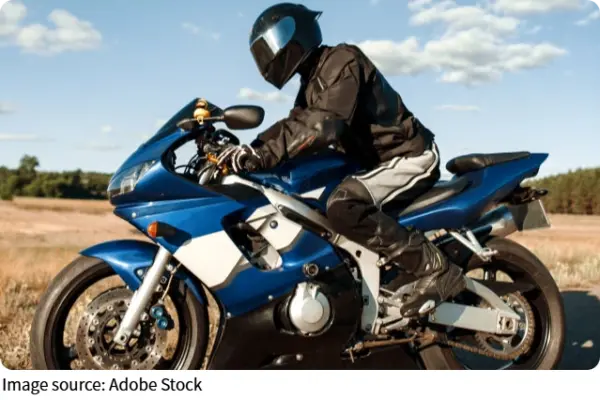
Start With the Helmet
Jackets are another must-have, and they do much more than keep you warm. A proper riding jacket is built from abrasion-resistant materials and often includes impact protectors in key zones like the shoulders, elbows, and back.
Textile jackets can be a practical choice for many beginners because they are versatile and often work well across different conditions. Leather is also a classic option, but the most important thing is that the jacket is made specifically for riding and fits close enough that the protectors stay in place.
Choose a Real Riding Jacket
Gloves are easy to overlook until you realize how exposed your hands are. A solid pair of riding gloves should cover the full hand and wrist, offering both abrasion resistance and padding or protective inserts. Good gloves also help with grip and control, especially in changing weather. They should feel secure without bunching up or limiting movement too much, since you still need to work the controls smoothly.
Pants matter too. Regular everyday pants are not designed to hold up in a slide, so new riders should look at riding-specific pants or riding denim reinforced in key areas. Many options include protectors at the knees and hips, which add another layer of coverage without making daily use feel awkward. Fit is important here as well, because gear that shifts around too much will not protect as well when it needs to.
Do Not Forget Hands and Legs
Footwear is another piece beginners should take seriously. Riding shoes or boots should cover the ankles and provide grip, support, and sturdy construction. They help with stability when stopping and starting, and they offer much better protection than regular sneakers. A sole with good traction can also make a real difference when the ground is uneven or slick.
Eye protection is usually handled by the helmet visor, but if you use gear with more airflow, make sure your eyes stay shielded from wind, dust, and debris. Ear protection is also worth considering, especially for longer rides, because constant wind noise can become tiring and distracting. These smaller items may not get as much attention, but they make riding more comfortable and help keep your focus where it belongs.
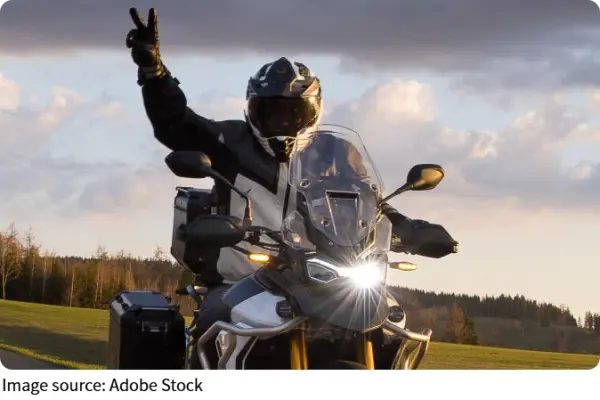
Cover the Details Too
When shopping, it helps to think in terms of complete coverage rather than buying pieces at random. Helmet, jacket, gloves, pants, and boots form the core setup. From there, features like ventilation, waterproof liners, reflective details, and removable thermal layers can help match your local conditions and how often you plan to ride. New riders do not need the most expensive gear on the shelf, but they do need gear made for riding, fitted properly, and worn every time.
It is also smart to sit on your bike, or at least mimic a riding position, when trying gear on. Sleeves, pant legs, and glove cuffs can shift once you bend your arms and knees. What feels fine while standing may not work as well on the bike. Comfort and protection should go together, because if gear feels distracting, you may be tempted to leave it at home, and that is a habit worth avoiding from the very beginning.
Starting with the right gear sets the tone for safer, more confident riding. Build your kit around the essentials, make sure each piece fits well, and wear it every ride, even the short ones. If you are just getting started, take your time, ask questions, and choose gear that makes you feel prepared the moment you roll out.