Road Through New Eyes

Camille Dubois
| 16-07-2026
 · Automobile team
Hi, Readers! The road feels different from the seat of a motorcycle.
It is not only about getting from one place to another. It is about how every turn, patch of pavement, lane change, and shift in weather suddenly matters in a more personal way.
Riding asks for your full attention, and because of that, it can completely change how you see the road.
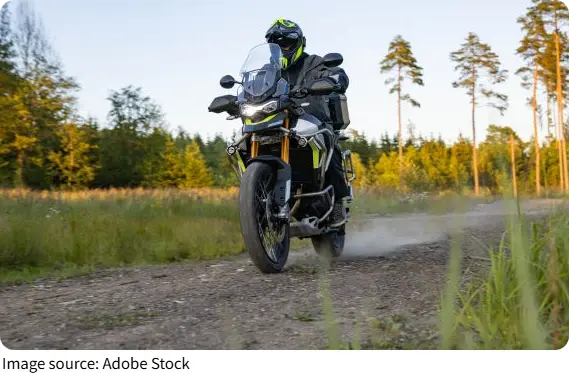
On a motorcycle, you are more exposed to the world around you. Inside a car, it is easy to feel separated from traffic, temperature, wind, and even the texture of the street. On two wheels, that separation is gone. You notice rough pavement sooner.
You feel crosswinds more clearly. A small dip, loose gravel, standing water, or uneven surface can affect balance and comfort right away. That direct connection makes the road feel less like a flat line and more like a living surface that constantly changes.
Awareness Gets Sharper
Riding a motorcycle demands steady attention. A rider usually watches farther ahead, checks mirrors often, and reads the behavior of nearby drivers with extra care. Things that might seem minor in another vehicle become important clues.
The position of a car in its lane, the speed of traffic at an intersection, or the shine of a wet road can all signal what may happen next. This habit of scanning makes the rider more aware of patterns, gaps, and possible risks before they fully develop.
Space Feels Different
Motorcycles are smaller and more agile than many other road vehicles, but that does not mean the road feels simple. In fact, space becomes something you think about all the time. Lane position matters. Following distance matters. Visibility matters.
Riders often choose where to sit in a lane not just for comfort, but to improve sight lines and help others notice them. Because of this, the road stops being just lanes painted on pavement and becomes a moving map of safer and less safe choices.
Speed Becomes More Physical
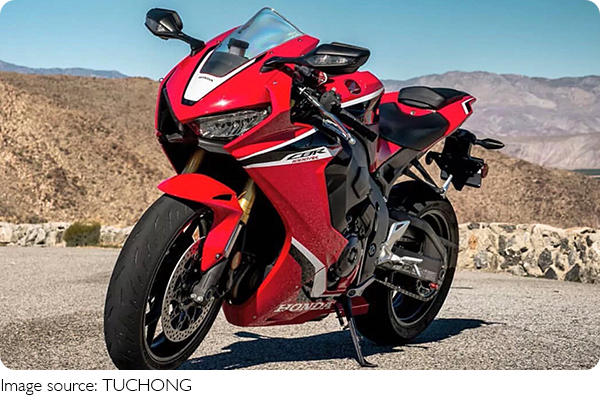
On a motorcycle, speed is not just a number on a display. It feels physical. Wind pressure increases, turns arrive sooner, and stopping distance becomes something you sense with your whole body. Even familiar routes can feel fresh because the rider experiences acceleration, braking, and cornering more directly.
This can create a stronger respect for momentum and timing. You start to understand that smooth control is not only comfortable but essential.
Weather Stops Being Background
Weather can fade into the background when you are enclosed in a larger vehicle, but riding brings it forward. Temperature changes, rain, strong wind, and fading light all shape the experience. A cloudy sky is no longer just scenery. It may influence traction, visibility, and comfort.
This changes the way riders prepare before leaving, from checking conditions to thinking through route choices and travel time. The road becomes something connected to the sky, not separate from it.
Other Road Users Stand Out More
Riders often become highly aware of how they are seen, or not seen, by others. That can deepen the way they read traffic. A driver waiting to turn, a vehicle drifting within a lane, or sudden braking ahead all carry more weight when you are riding. Many riders learn to expect the unexpected and leave themselves room to respond calmly.
Over time, this can build a thoughtful, observant mindset that stays with them even when they are not on a motorcycle.
The Journey Feels More Immediate
Motorcycling is often described as immersive, and that word fits for a reason. The sights, sounds, and motion of the road reach you more directly. A route you once ignored may suddenly feel memorable because you noticed the curve of a hillside, the cool air in a shaded area, or the rhythm of traffic through a busy street.
Riding can turn an ordinary trip into something more vivid, and that emotional closeness often changes how people think about travel itself.
The biggest change may be this: riding encourages respect. Respect for the road surface, for distance, for weather, for timing, and for the people sharing the street. It teaches you that the road is not passive. It is full of signals, and the more gently and carefully you pay attention, the more clearly you begin to see. If you have ever wondered why riders talk about the road so differently, this deeper awareness is a big part of the answer.