ESC: Moto's Balance Buddy

Chris Isidore
| 29-06-2026
 · Automobile team
Hi, Friends! If you have ever watched a motorcycle wobble through a slippery corner and thought, "how on earth does that thing stay upright?", then buckle up because we are about to take a deep dive into the world of Electronic Stability Control, or ESC, and its trusty sidekicks: ABS and TCS.
What Is ESC and Why Should You Care?
Think of ESC as the overprotective parent of the motorcycle world. It sits quietly in the background, watching everything, and the moment things start going sideways (literally), it jumps in to save the day. ESC is a broad electronic safety system that combines multiple technologies to help keep a motorcycle stable, especially when road conditions get unpredictable. It is basically the difference between a graceful corner and an unplanned slide across the asphalt.
ABS: The System That Stops the Skid
Anti-lock Braking System, or ABS, is probably the most well-known piece of this puzzle. Here is the deal: when you slam the brakes hard in a panic stop, your wheels can lock up completely. A locked wheel does not steer, and a motorcycle that cannot steer is essentially a very expensive, very fast sled heading toward trouble. ABS prevents that lockup by rapidly pumping the brakes at lightning speed, way faster than any human hand could manage. It keeps the wheels spinning just enough to maintain traction and steering control. The result? You stop faster, straighter, and with a lot more dignity intact. Modern motorcycle ABS systems can activate and release brakes multiple times per second, making them genuinely incredible little gadgets.

TCS: Traction Control System Explained
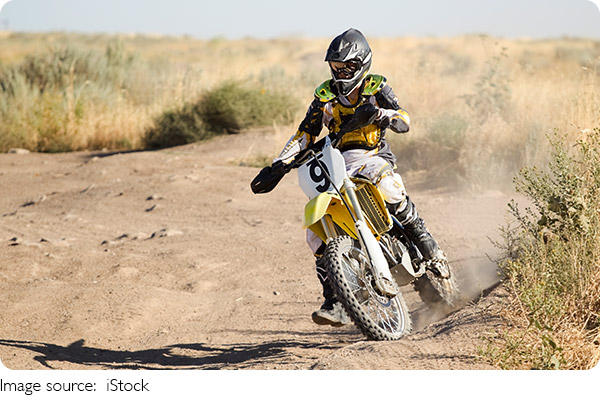
Now, TCS, or Traction Control System, handles the other end of the problem. While ABS deals with too much braking force, TCS deals with too much power. Imagine you are accelerating out of a wet corner and your rear wheel suddenly decides it wants to spin freely like a hyperactive top. Without TCS, that spin can throw the bike sideways before you even realize what is happening. TCS monitors wheel speed sensors and compares the front and rear wheels constantly. The moment it detects the rear wheel spinning faster than the front (a sign of wheel slip), it steps in to reduce engine power or apply a touch of braking until grip is restored. It is like having a very calm, very fast co-pilot who never panics.
How ESC Ties It All Together
ESC is the umbrella system that connects ABS, TCS, and often additional sensors like lean angle sensors and inertial measurement units. Together, these systems create a safety net that works in three dimensions. A lean angle sensor, for example, tells the system how far the bike is tilted, which is critical because braking behavior changes dramatically when you are leaning through a corner. An ESC system that understands lean angles can apply more precise and appropriate corrections rather than just generic responses. This kind of layered intelligence is what separates a truly smart stability system from a basic one.
Are These Systems Actually Effective?
The short answer is yes, remarkably so. Studies and real-world data have consistently shown that motorcycles equipped with ABS have significantly lower rates of fatal crashes compared to non-ABS models in similar conditions. TCS adds another layer of protection especially on surfaces like gravel, wet paint, or damp roads where grip is unpredictable. For riders who are still learning, these systems provide a reassuring safety margin. For experienced riders, they act like an extra set of reflexes that never get tired or distracted.
Should You Look for ESC When Buying a Motorcycle?
Absolutely, and here is why: these systems are no longer exclusive to high-end machines. Many mid-range and even entry-level motorcycles now come equipped with at least ABS as standard, and TCS is becoming increasingly common too. When shopping, look for bikes that offer combined or cornering ABS, as those are the more advanced versions that account for lean angle. If a bike lists IMU-based ESC, that is a sign of a very well-developed safety package.
Riding a motorcycle is one of the most thrilling things a person can do on two wheels, but thrills and recklessness are very different things. ESC, ABS, and TCS exist to make sure your adventure stays fun and does not turn into a drama. Next time you throw a leg over a bike, take a moment to appreciate the tiny electronic genius working overtime to keep you shiny side up!