Smart Adaptive Headlights

Kai
| 02-07-2026
 · Automobile team
If you've ever ridden a bike at night and felt like you're navigating in extremely low visibility conditions, you're not alone.
One moment you're struggling to see the road clearly, and the next you may unintentionally affect oncoming road users with overly bright illumination. This is exactly the challenge adaptive lighting systems are designed to solve.
What Is an Adaptive Lighting System?
An adaptive lighting system, often referred to as ADB (Adaptive Driving Beam), is a smart lighting technology that automatically adjusts headlight output based on real-time conditions. Instead of maintaining a fixed brightness level throughout a ride, it continuously responds to the surrounding environment to improve visibility and reduce glare.
The system uses sensor-based detection technologies to assess surrounding conditions, including other vehicles, ambient light levels, and road obstacles. Based on this input, it dynamically adjusts beam direction, intensity, and spread in real time. This helps ensure optimal visibility for the rider while minimizing glare for others on the road.
How Does It Actually Work?
The core principle of adaptive lighting is the use of individually controlled lighting zones within a single headlight system. Each zone can be adjusted independently depending on real-time environmental feedback.
For example, when an oncoming vehicle is detected, the system can automatically reduce brightness in the specific zone facing that vehicle while maintaining full illumination in other areas of the road. This allows for improved visibility without causing unnecessary glare to other road users.
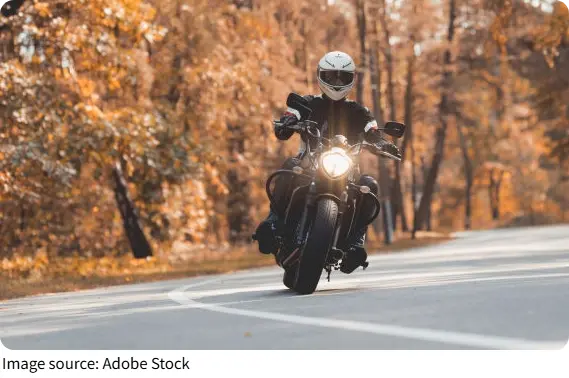
For cyclists and motorcyclists, some systems also include cornering light adjustment, where the beam direction shifts based on steering input. Unlike traditional fixed headlights that illuminate only straight ahead, adaptive systems help illuminate the direction of travel, improving visibility on curves and turns.
Why Does This Matter for Night Riding?
Night riding presents significantly higher safety risks compared to daytime riding due to reduced visibility. Hazards such as potholes, pedestrians, and uneven road surfaces are harder to detect in low-light conditions, which can reduce reaction time.
Adaptive lighting systems help address this issue by maintaining consistent and optimized illumination based on real-time riding conditions. This improves forward visibility while also controlling excessive brightness that may affect others.
In addition, these systems can help reduce visual strain. Constantly adjusting to poor lighting conditions can be tiring for the eyes, especially during longer rides. With automated lighting adjustments, riders can maintain better focus on the road ahead.
What Makes a Good Adaptive Lighting Setup?
An effective adaptive lighting system should respond quickly to environmental changes, ideally adjusting in near real time as conditions shift. It should also have a wide detection range to identify changes early and allow smoother transitions.
The lighting zones should be finely controlled to ensure precise adjustments rather than abrupt changes in brightness. This creates a more stable and comfortable visual experience for the rider.
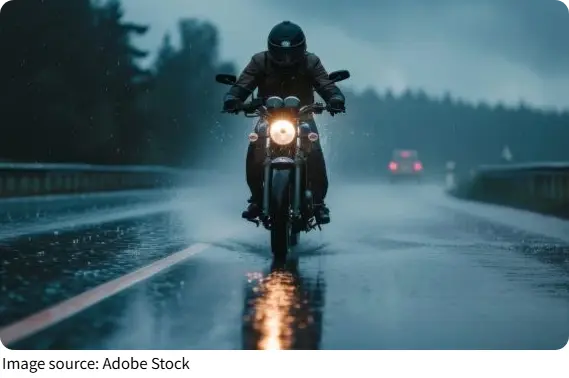
Weather adaptability is also important. Conditions such as rain, fog, and wet roads can significantly affect light reflection and visibility. A well-designed system should account for these variations and adjust output accordingly.
Energy efficiency is another key factor, particularly for battery-powered cycling systems. A balanced design ensures strong visibility without excessive power consumption, helping maintain consistent performance over longer rides.
Adaptive lighting technology represents a significant advancement in modern riding safety systems. By intelligently adjusting brightness and direction based on real-time conditions, it improves visibility, enhances safety, and reduces unnecessary glare for others on the road.
As lighting systems continue to evolve, they are becoming increasingly practical for everyday cyclists and motorcyclists. For night riding, this technology offers a more controlled, efficient, and safer visual experience.