Lane Departure Alerts: Bikes

Ravish Kumar
| 29-06-2026
 · Automobile team
Hi, Friends! Riding a motorcycle is a bit like walking a tightrope over a highway while everyone else is in a padded box on wheels.
You are exposed, you are agile, and one small drift out of your lane could turn your commute into a very bad day. That is exactly why lane departure warning systems on motorcycles are such a big deal right now.
Valeo, one of the world's leading automotive technology suppliers, partnered with Hero MotoCorp to develop advanced riding assistance systems specifically designed for two-wheelers. This collaboration is a serious step toward bringing car-level safety intelligence to motorcycles, which have historically been left out of the high-tech safety party.
What Is a Lane Departure Warning System?
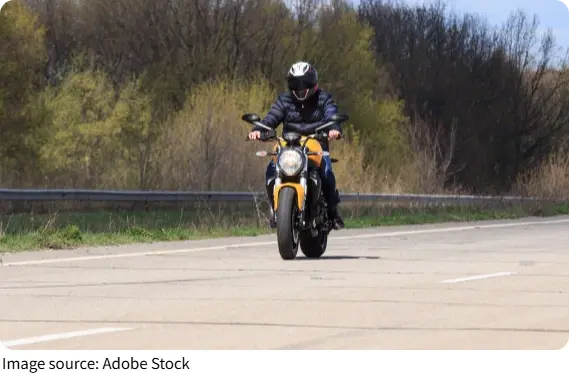
Think of it like a very attentive co-pilot who never sleeps, never gets distracted by a roadside food stall, and will immediately nudge you the moment you start drifting out of your lane without signaling. The system uses cameras and sensors mounted on the motorcycle to continuously monitor lane markings on the road. The moment the bike starts crossing those lines unintentionally, the system sends the rider an alert, usually through a vibration in the handlebar, a visual signal on the display, or an audible beep.
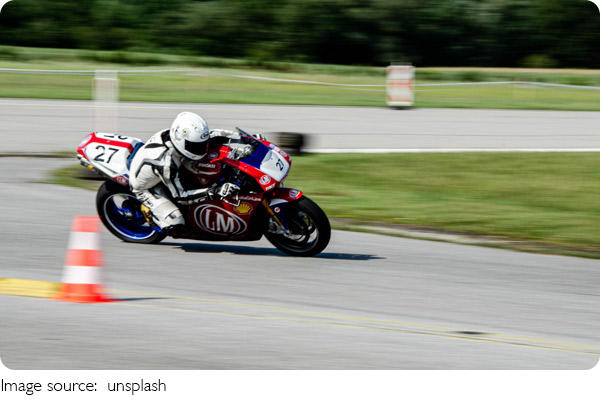
For car drivers, this technology has been around for a while. But adapting it for motorcycles is a completely different challenge. A motorcycle leans into turns, which means the camera and processing logic have to be smart enough to tell the difference between a deliberate, graceful lean into a curve and an unintended, sleepy drift across a lane marking. That distinction requires some seriously clever engineering.
Why Motorcycles Need This More Than Ever
Motorcycles represent a disproportionately high share of road fatalities compared to other vehicles. Riders are far more vulnerable, with far less protection around them. Fatigue, distraction, and simple human error are leading causes of lane-drift incidents. A system that catches those moments before they become emergencies is not just a cool gadget, it is a genuine lifesaver.
The Valeo and Hero MotoCorp partnership specifically targets two-wheeler riders in markets where motorcycles are the primary mode of transportation for millions of people. Bringing advanced driver assistance technology to these riders is a huge leap in everyday road safety for a massive portion of the riding population.
How the Technology Works on Two Wheels
The system relies on a forward-facing camera that reads lane markings in real time. Paired with intelligent software, it processes the bike's position within the lane continuously. The processing unit accounts for the motorcycle's lean angle, speed, and trajectory to avoid false alarms during normal cornering. When the system detects an unintentional crossing of lane markings, it triggers a warning fast enough for the rider to correct course before things go sideways, literally.
The integration into the motorcycle's existing electronics also means the system can work alongside other assistance features, like forward collision warnings and blind-spot detection, creating a more complete safety net around the rider.
The Bigger Picture for Motorcycle Safety Tech
This collaboration between Valeo and Hero MotoCorp signals a shift in how the motorcycle industry thinks about rider assistance. For a long time, safety innovation in two-wheelers focused mainly on braking systems like ABS and traction control. Now, the frontier is moving toward perception-based systems that help riders understand their environment better and react faster.
The exciting part is that as these systems become more common, they are expected to become more affordable and accessible, meaning even entry-level motorcycles could eventually come equipped with technology that was once reserved for premium cars.
If you ride a motorcycle, this kind of technology is not about replacing your instincts. It is about backing them up when your attention slips for half a second on a long ride. Think of it as a very loyal riding buddy who stays alert even when you have been on the road for three hours and your brain starts thinking about lunch. Stay safe out there, Lykkers, and keep watching this space because motorcycle safety tech is moving fast!