Auto Industry Revolution

Maya
| 03-07-2026
 · Automobile team
Hi, Friends! If you thought self-driving cars were just a fancy gadget for tech enthusiasts to geek out over, think again.
Autonomous driving technology is quietly rewriting the rulebook for the entire automotive industry - from how cars are made to how they are sold, serviced, and even owned.
It's like someone walked into a game of chess and said, "Actually, let's play checkers now."
From Product to Service: The Big Shift
The traditional car industry is built on a pretty simple idea: make a car, sell a car, repeat. But autonomous driving is turning that model into something completely different. Instead of selling you a vehicle that you park in your driveway and forget about half the time, companies are moving toward mobility-as-a-service.
Think of it like the difference between buying a DVD and subscribing to a streaming platform. You don't own every movie - you just pay for the ride when you need it. Automakers, tech giants, and ride-hailing platforms are all scrambling to grab a piece of this pie before it cools down.
Manufacturing Gets a Makeover
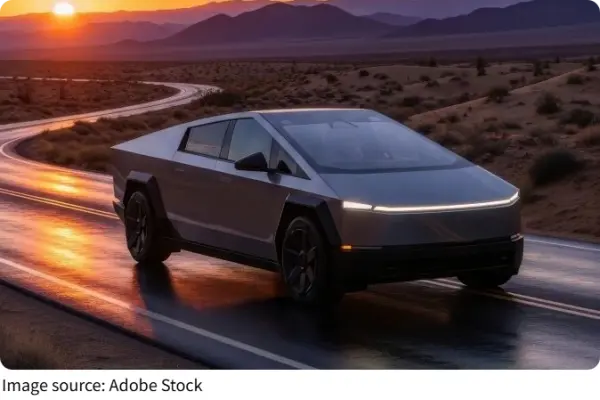
Traditional car manufacturing focuses heavily on engines, transmissions, and all those mechanical parts that make your mechanic's eyes light up with dollar signs. But autonomous vehicles shift the priority dramatically toward software, sensors, cameras, radar systems, and computing power. That means the factory floor looks less like a greasy workshop and more like a giant electronics assembly plant.
Suppliers who used to focus on mechanical components are now being asked to pivot toward producing lidar sensors and artificial intelligence chips. It's a bit like asking a master baker to suddenly start making circuit boards - some will adapt, and some will absolutely not.
New Players Are Crashing the Party
Here's where it gets spicy. Technology companies that have never built a single car in their lives are now serious competitors to automakers with over a century of experience. Software and computing expertise have become just as valuable as engineering heritage.
Traditional manufacturers are under enormous pressure to partner with tech firms, acquire startups, or build their own tech divisions from scratch. The barriers to entry in the car industry, once as tall as a fortress wall, are getting shorter every year as software becomes the real differentiator.
The Service and Aftermarket Shake-Up
Now let's talk about what happens after the car is sold - or rather, after it is deployed in a fleet. Autonomous vehicles require constant software updates, sensor calibrations, and data management. That changes the entire aftermarket service model. Instead of taking your car to a local shop for an oil change, the "maintenance" might involve a remote software patch pushed overnight while the vehicle sits idle.
Dealerships and service centers will need to completely retrain their staff and rethink their business models. Some estimates suggest that as autonomous fleets grow, the frequency of individual car ownership could drop significantly, which means fewer new car sales but a booming market for fleet management and tech support services.
Jobs, Skills, and the Human Factor
No conversation about autonomous driving's impact would be complete without talking about people. Millions of jobs tied to driving - truck drivers, taxi drivers, delivery drivers - face an uncertain future as automation advances. At the same time, entirely new categories of jobs are being created around data analysis, remote vehicle monitoring, cybersecurity for connected cars, and urban mobility planning.
The workforce transition is real and will require serious investment in retraining and education. It's not that the jobs disappear entirely; they transform, sometimes into something unrecognizable.
What the Road Ahead Looks Like
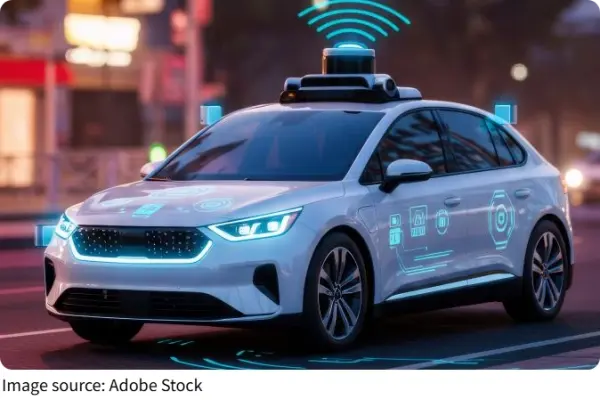
The shift toward autonomous driving is not a single dramatic moment but a gradual evolution happening across multiple stages of automation. Full self-driving capability in all conditions is still a work in progress, but each incremental step - adaptive cruise control, lane-keeping assist, automated parking - is already changing how people interact with their vehicles and what they expect from them.
The bottom line is this: autonomous driving is not just a cool feature you brag about to your friends. It is a fundamental restructuring of one of the world's largest industries. Whether you're an automaker, a supplier, a service provider, or just someone who drives to work every morning, the ripple effects are coming your way.
The smartest move right now is to understand the wave before it arrives, rather than scrambling after it knocks you off your feet!