Blueberry

Owen Murphy
| 20-05-2026
 · Cate team
Grab a handful of blueberries and toss them in your mouth. Easy, no prep, no mess. That simplicity is part of why they're so popular — but the real reason to keep them stocked is what's happening inside that tiny, deep-blue skin.
Blueberries are one of the most antioxidant-rich fruits available.
Their signature color comes from a group of plant compounds called anthocyanins, and those same pigments are responsible for much of their nutritional firepower.
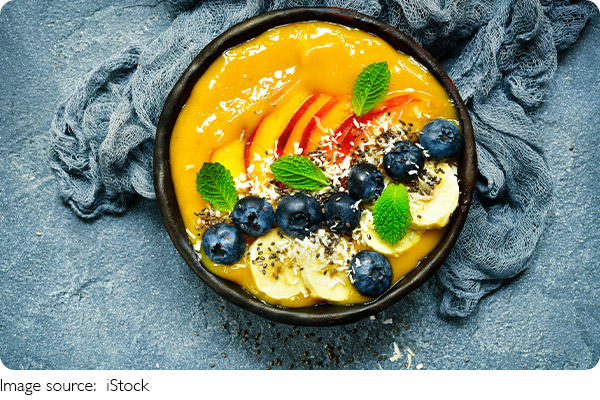
One cup of raw blueberries clocks in at just 96 calories, with 3.6 grams of fiber, vitamins C and K, and manganese — which supports brain, muscle, and metabolic function.
What Anthocyanins Actually Do
Free radicals are unstable molecules that form naturally in the body and, over time, damage cells. Antioxidants neutralize them — essentially acting as a protective shield around your cells before damage sets in. Blueberries are loaded with anthocyanins that do exactly this.
Research has found that people who eat blueberries regularly may lower their risk of heart attack, type 2 diabetes, and age-related memory decline. One study found that consuming the equivalent of about a cup of fresh blueberries per day helped maintain brain function and memory in older participants. Another found that daily blueberry intake was associated with improvements in blood pressure in people with metabolic syndrome — partly because anthocyanins prompt the body to produce more nitric oxide, which helps relax and widen blood vessels.
Cholesterol and Blood Sugar
The soluble fiber in blueberries binds to bile in the gut — bile being a waste compound that contains cholesterol — and helps remove it from the body. Less cholesterol reabsorbed means lower LDL levels over time, which reduces heart disease risk.
On the blood sugar front, blueberries have a glycemic index of just 53, which is relatively low. They won't spike blood sugar the way higher-GI snacks do, and some research suggests they may improve insulin sensitivity, particularly for people at risk of diabetes.
Fresh, Frozen, or Raw?
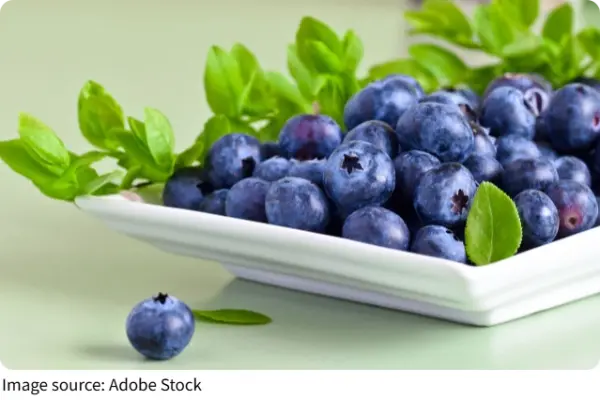
Fresh blueberries are ideal when in season — look for ones that are plump, firm, and deeply colored with a slight dusty sheen. Avoid anything soft, shriveled, or showing signs of mold.
One important note: heat reduces antioxidant content. So while blueberry muffins and pancakes taste great, they won't give you the same benefits as raw berries. For maximum impact, enjoy them fresh — tossed into a smoothie, spooned over yogurt, stirred into oatmeal, or just eaten by the handful straight from the container.
Frozen blueberries, especially organic ones, are a convenient and often more affordable option. Most of the nutrients survive freezing well. Just skip the baking and thaw them instead.