Watermelon Truth

Amit Sharma
| 21-05-2026
 · Cate team
At a backyard cookout, watermelon is usually the thing people reach for last — after the main dishes are cleared and everyone is still somehow hungry.
It's refreshing, it's sweet, and it feels a little indulgent. But here's what most people don't realize: watermelon is quietly one of the more nutrient-dense fruits around.
The Lycopene Factor
Lycopene is what makes watermelon red — it's the same pigment responsible for the color in tomatoes. But watermelon actually contains more lycopene than any other fruit or vegetable, including tomatoes. And unlike tomatoes, which need to be cooked to release most of their lycopene, watermelon delivers it raw, the moment you cut into it.
Lycopene is a carotenoid antioxidant that has been linked to lower risk of heart disease, certain cancers, and age-related eye problems. It helps protect cells from oxidative damage and, consumed regularly, may have blood pressure-lowering effects. The redder and riper the flesh, the higher the lycopene content — which is another reason to wait until the fruit is fully ripe before slicing in.
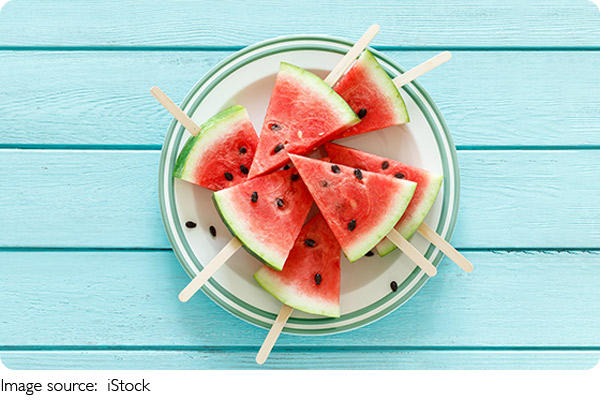
Citrulline and Hydration
Watermelon is 92% water, making it one of the most hydrating foods you can eat. After exercise or on a hot day, eating watermelon — especially with a light pinch of salt to replenish electrolytes — can genuinely help restore energy and rehydrate the body faster than plain water alone.
It's also the richest dietary source of citrulline, an amino acid that the body converts into nitric oxide. Nitric oxide relaxes and widens blood vessels, which helps support healthy blood pressure. A 2019 study of people who were overweight found that eating watermelon daily instead of low-calorie cookies reduced hunger, lowered blood pressure, and improved body composition after four weeks.
Don't Throw Away the Rind
Most people toss the pale green rind without a second thought. That's a missed opportunity. Watermelon rind contains more fiber than the flesh — over ten times as much — and even more citrulline. It also has less sugar. Try stir-frying it with other vegetables and spices, or pickling it for a crunchy, tangy snack.
Even watermelon seeds are worth eating. Dried or raw, they contain magnesium, folate, and the kind of healthy fats that help lower LDL cholesterol.
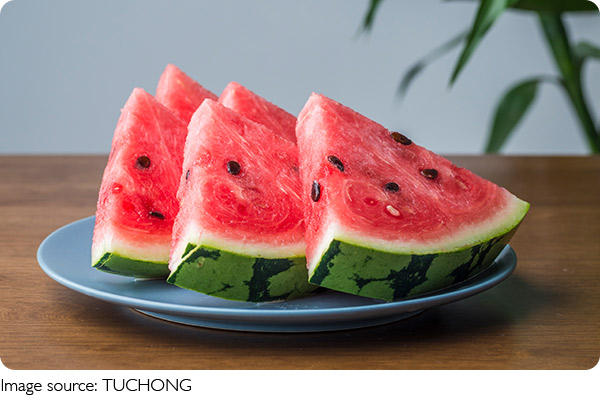
How to Pick a Good One
Look for a melon that feels heavy for its size — that weight signals high water content and ripeness. The underside should have a creamy yellow or orange spot from resting on the ground; white or pale spots mean it was picked too soon. When you tap it, a ripe watermelon sounds hollow. Avoid anything with soft spots, dents, or uneven surfaces.