Natural Sweetness

Arvind Singh
| 21-05-2026
 · Cate team
Sweet potatoes have a bit of an image problem. People associate them with holiday casseroles piled with marshmallows, or overly sweet fries at fast-casual restaurants.
Neither version does the actual vegetable justice. On its own, a sweet potato is a genuinely impressive food — nutrient-dense, naturally sweet, endlessly versatile, and available every single month of the year.
It's worth noting: sweet potatoes aren't actually potatoes. They're a starchy root vegetable from the morning glory family, and they come in a surprising range of varieties — orange, white, yellow, and even deep purple. Each one has its own nutritional personality.
The Vitamin A Situation
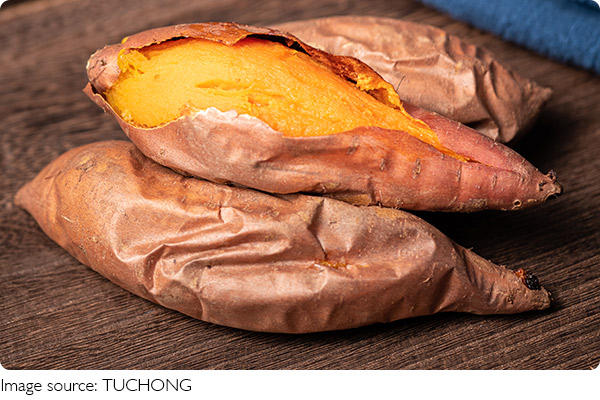
One large sweet potato cooked with the skin on delivers an almost absurd amount of beta-carotene — the antioxidant that converts to vitamin A in the body. A single serving can exceed your entire daily recommended intake of vitamin A. That vitamin A supports healthy vision (particularly in low light), strengthens immune response, and helps maintain the health of various tissues and membranes throughout the body.
The orange-fleshed varieties are richest in beta-carotene. Purple sweet potatoes, meanwhile, contain anthocyanins — the same antioxidants found in blueberries — which have anti-inflammatory properties and may support gut health and help manage blood sugar levels.
Fiber, Potassium, and Heart Health
Sweet potatoes are a solid source of dietary fiber, with one large sweet potato contributing close to 20% of the daily recommendation — a nutrient most people fall well short of. The soluble fiber binds to cholesterol in the digestive tract, helping remove it from the body and lowering LDL levels over time. The insoluble fiber keeps digestion moving and reduces the risk of constipation.
Potassium is another standout. A large cooked sweet potato contains over 850 milligrams of potassium — more than 18% of the daily recommended amount. Potassium counteracts sodium's effect on blood pressure and helps the heart maintain a steady rhythm.
How You Cook Them Matters
Boiling sweet potatoes preserves the most beta-carotene and keeps the glycemic index lower, which means a gentler effect on blood sugar. Baking and roasting are delicious but raise the glycemic index somewhat — still fine for most people, but worth knowing if blood sugar management is a priority.
One practical tip from Harvard nutrition researchers: cooking them with the skin on helps retain more beta-carotene and vitamin C. And because beta-carotene is a lipid-soluble nutrient, eating sweet potatoes with a little olive oil or another healthy lipid significantly improves absorption.

Easy Ways to Eat Them
Microwave a whole sweet potato for five to eight minutes and it's done — no waiting for an oven to heat up. Slice and roast with olive oil, salt, and smoked paprika for a crispy side. Mash with a little butter and fresh herbs. Cube and add to a curry. They work in savory dishes just as well as sweet ones, and the natural caramel flavor that develops with heat is genuinely hard to beat.