Where Peaks Touch the Sky
Mukesh Kumar
| 21-05-2026
 · Travel team
Friends, somewhere in the heart of Switzerland, three legendary peaks—Eiger, Mönch, and Jungfrau—stand shoulder to shoulder like ancient guardians watching over a valley so beautiful it barely seems real.
The Jungfrau region of the Swiss Alps is not simply a destination; it is the kind of place that makes you stop mid-step, forget your camera, and just stare.
From thundering waterfalls to car-free villages suspended in the clouds, every corner here delivers a scene worth remembering forever.
Choose Your Base
Four charming towns serve as gateways to the region, each with its own personality. Interlaken sits between two shimmering lakes and serves as the main transportation hub, ideal for convenience and variety. Grindelwald nestles beneath the dramatic north face of the Eiger, offering bustling streets filled with shops and restaurants.
Lauterbrunnen, the famous "Valley of 72 Waterfalls," enchants visitors with its fairytale atmosphere and towering cliff walls. Wengen and Mürren, both car-free mountain villages, reward those seeking tranquility and uninterrupted alpine views.
Budget-friendly hostels in Lauterbrunnen and Interlaken offer dormitory beds from $38 to $60 per night. Private rooms in guesthouses range between $90 and $180 nightly. Grindelwald tends to be slightly pricier due to its proximity to major lifts, with mid-range hotels averaging $150 to $300 per night.
Top of Europe
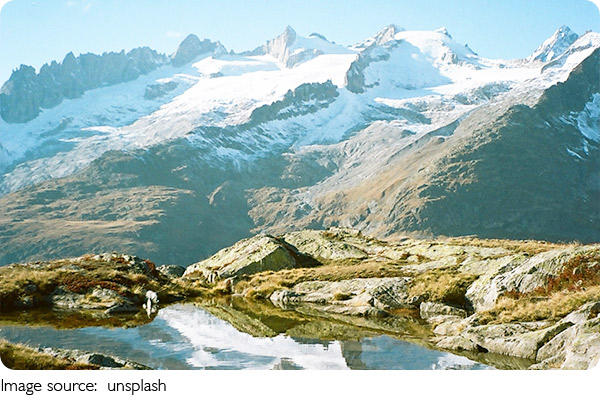
No visit is complete without the train journey to Jungfraujoch, the highest railway station in Europe at 3,454 meters. The ride itself is a spectacle—cogwheel trains climb through tunnels carved inside the mountains, pausing at observation windows along the way. At the summit, the Sphinx Observatory offers panoramic views stretching across the Aletsch Glacier, while the Ice Palace showcases frozen sculptures carved deep within the glacier itself.
Standard round-trip tickets from Interlaken cost between $230 and $285, depending on the season. The Swiss Half Fare Card cuts this price by fifty percent—a worthwhile investment for any Swiss itinerary. The Jungfrau Travel Pass, ideal for stays of three to eight days, reduces the summit ticket to roughly $69 to $97 through connecting ticket discounts. Seat reservations of approximately $11 are mandatory from May through October.
Waterfalls and Trails
Lauterbrunnen's Staubbach Falls plunges 297 meters in a single dramatic drop, visible from the main village street. For a more immersive experience, the underground Trümmelbach Falls channels ten glacial waterfalls inside the mountain, accessible via tunnel lifts and illuminated walkways—entry costs around $13 for adults.
The Panorama Trail from Männlichen to Kleine Scheidegg ranks among Switzerland's finest walks, offering two hours of gentle downhill hiking with the Eiger, Mönch, and Jungfrau towering directly ahead.
The hike from Grindelwald-First to Bachalpsee alpine lake takes roughly one hour each way and rewards hikers with mirror-still reflections of surrounding peaks. Along the way, the First Cliff Walk—a narrow steel walkway bolted to the mountainside—provides thrilling views for those who dare to look down.
Staubbach Falls
Adrenaline Peaks
Thrill-seekers find no shortage of excitement in the Jungfrau region. The Mürren Via Ferrata challenges climbers with an exposed route along cliff faces, rewarding effort with jaw-dropping panoramas. Paragliding from Männlichen or Schilthorn lets visitors soar above the valleys with tandem pilots. The First Flyer zipline sends riders racing above the treeline at exhilarating speeds, while mountain carts offer a fun descent down winding alpine trails.
Revolving Views
Schilthorn summit, accessible by cable car from Mürren, features the Piz Gloria revolving restaurant that completes a full rotation every 45 minutes. The 360-degree panorama stretches across over 200 peaks on clear days. A return cable car ticket from Mürren costs approximately $105, though regional passes offer substantial discounts.
Harder Kulm, reached by a short funicular from Interlaken, delivers stunning sunset views over both lakes and the entire mountain range—a perfect final activity before dinner.
Smart Travel Tips
Mountain weather shifts rapidly, so checking local webcams and forecasts before heading to high elevations saves both time and money. Swiss tap water is excellent and free—carry a reusable bottle rather than purchasing drinks on the mountain, where prices climb steeply. Grocery shopping at Coop or Migros and cooking in accommodation kitchens dramatically cuts daily food expenses.
The Berner Oberland Pass and Jungfrau Travel Pass both provide significant savings if multiple excursions are planned, so calculating total trip costs before purchasing any single pass ensures the best value.
Best Time to Visit
Summer hiking season runs from June through October, when trails are clear and wildflowers blanket the meadows. Winter sports enthusiasts should target January and February for optimal snow conditions. Shoulder months—May and late October—bring fewer crowds and occasionally lower accommodation prices, though some higher lifts may not yet be operating.
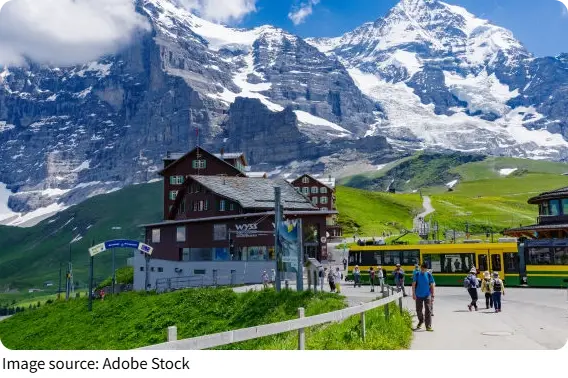
Friends, the Jungfrau region does not simply show you mountains—it places you among them, above them, inside them. Every train ride becomes an event, every trail a revelation. If you had just one week to spend anywhere in the Alps, what would convince you to choose this valley over all others? Perhaps the answer is simpler than expected—sometimes, you just need to look up.